+91 98551-63355 nagpaljointclinic@gmail.com Nagpal Superspeciality Hospital, Mall Road, Bathinda, Punjab 151001
Open: Mon–Sat  10AM – 7PM EN

About Nagpal Joint Clinic

Movement is personal.
Care should be, too.

A thoughtful place to begin when a joint concern starts changing the way you move through your day.

ABOUT THE CLINICBathinda, Punjab
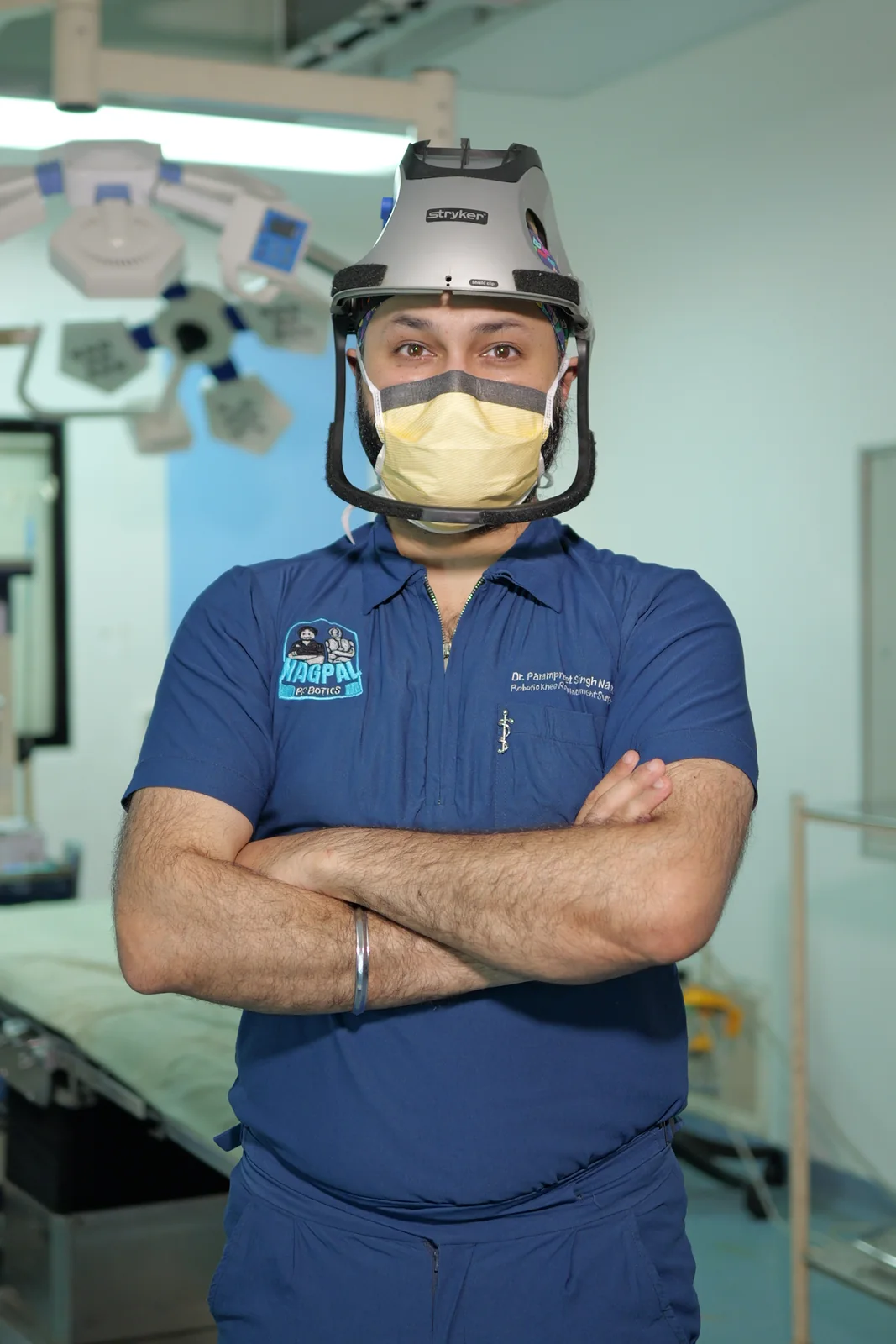
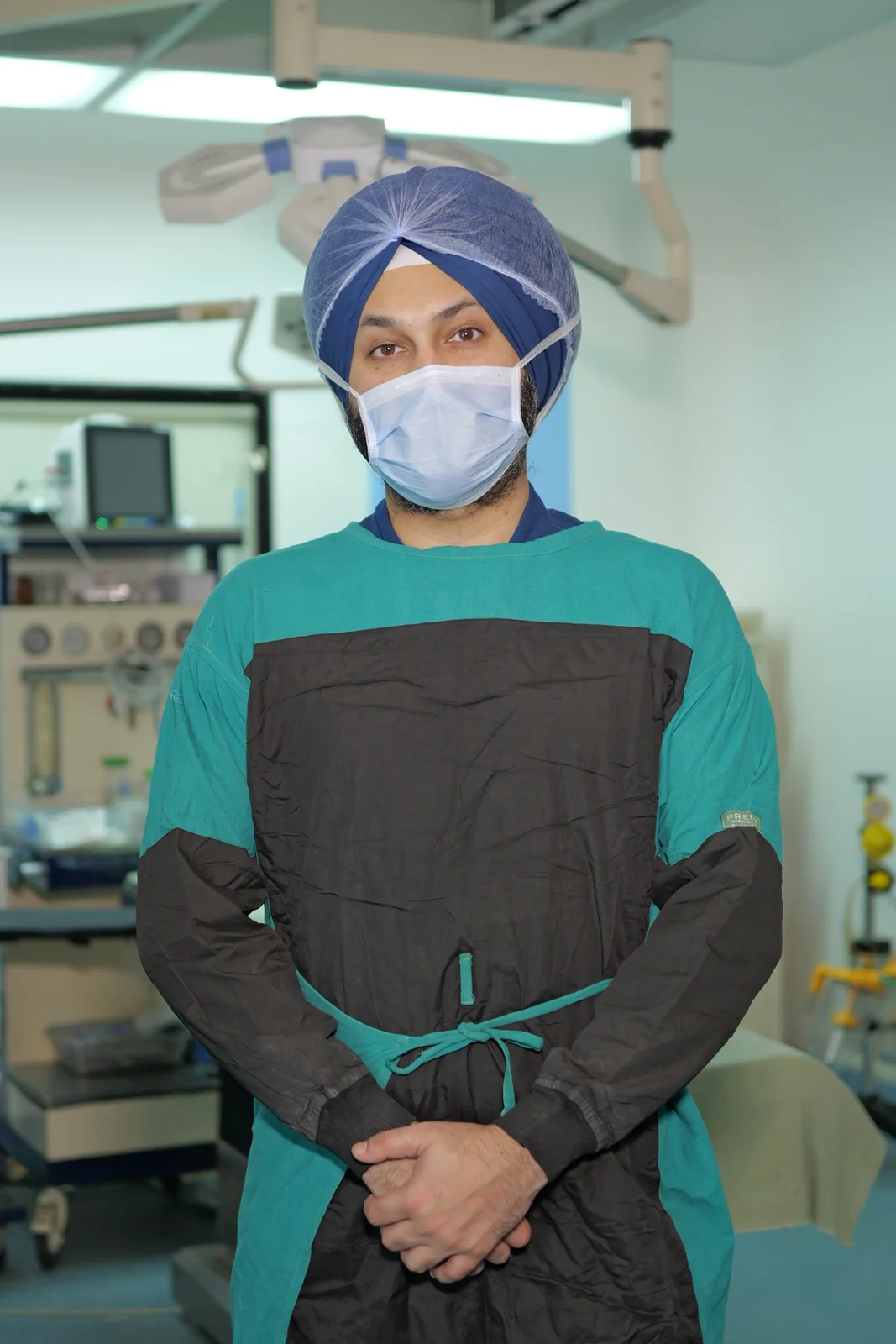
Clinic-supplied photograph of Dr. Parampreet Singh Nagpal in clinical attire
Dr. P.S. NagpalClinic-supplied photograph
Nagpal Superspeciality Hospital Mall Road, Bathinda
THE CLINIC01 — 04

Our mission

Good care starts with
being heard.

At Nagpal Joint Clinic, our mission is to provide orthopaedic consultations and clear information about joint care. Each patient’s concerns, health and goals are different, so treatment discussions should be based on an individual assessment rather than a one-size-fits-all plan.

Each consultation should begin with the patient’s symptoms, health history and goals. A clinician can explain what is known, what remains uncertain and which next steps may be reasonable. No procedure or recovery result should be promised before an individual assessment.

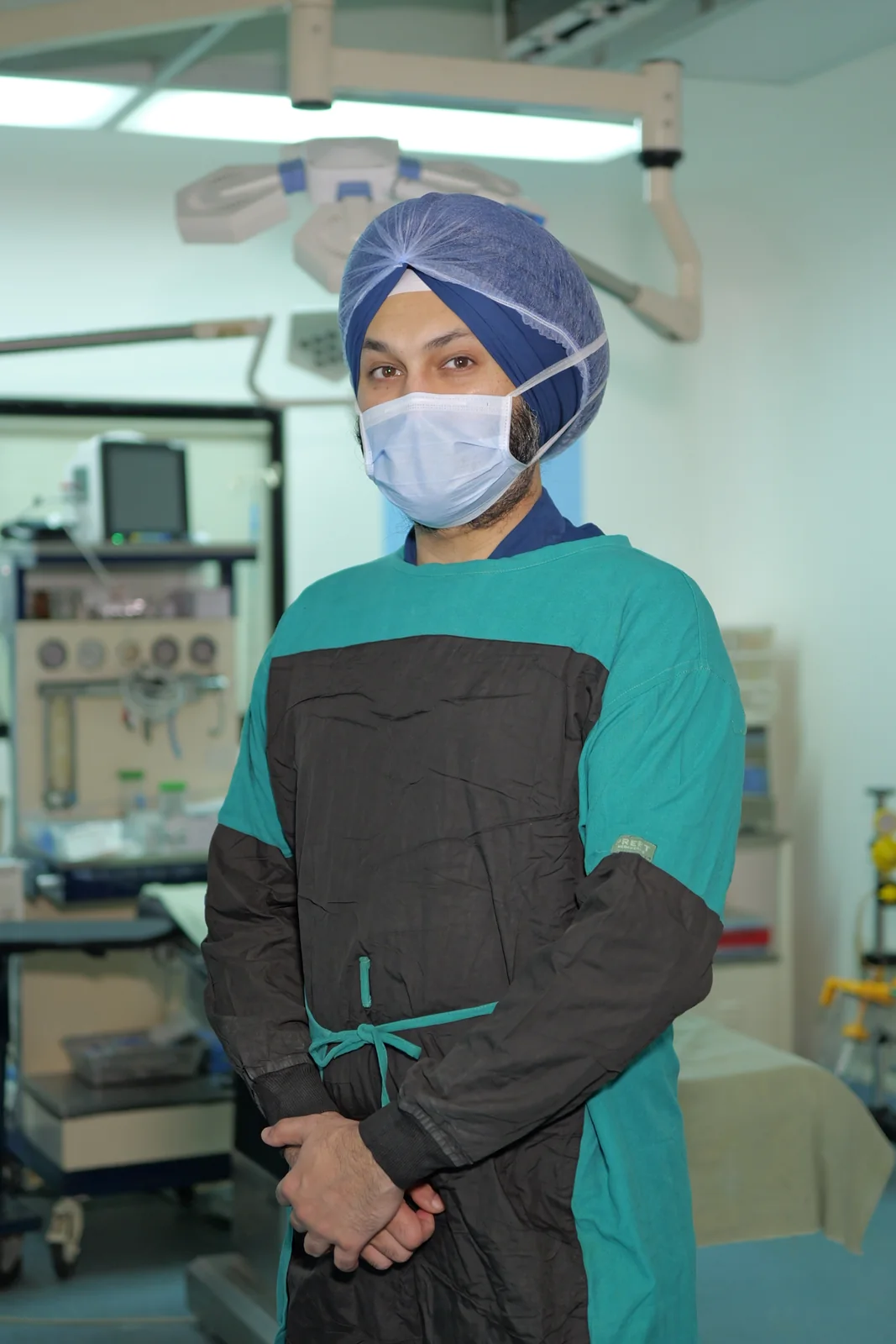
Clinic-supplied photograph of Dr. Parampreet Singh Nagpal wearing protective clinical clothing CLINIC-SUPPLIED DOCTOR PHOTOGRAPH

Meet the doctor

Dr. P.S. Nagpal

Nagpal Joint Clinic provides orthopaedic consultations in Bathinda for people seeking assessment of knee, hip and other joint concerns. The aim of a consultation is to understand what is affecting a person’s movement, review relevant reports and discuss reasonable next steps. A visit does not automatically mean that surgery will be recommended. The diagnosis, health history, examination and the patient’s priorities all matter.

Information on this website is intended to help people prepare for a conversation with a clinician. It cannot replace a physical examination or individual medical advice. Treatment decisions should be made after the patient has had a chance to ask questions and understand the alternatives.

Dr. P.S. Nagpal
Nagpal Joint Clinic · Bathinda

A guide to the conversation

Joint care, in context.

These notes are here to help patients prepare questions—not to diagnose a condition or decide a treatment.

01

Start with the person, not the procedure

Joint pain can affect sleep, walking, work, family responsibilities and confidence. Two people with similar-looking X-rays may have different symptoms and different goals. The clinic’s first task is to hear what has changed, when it began, which activities are difficult and what has already been tried. A clinician may ask about injuries, prior operations, medicines, other health conditions and the patient’s daily routine. This context helps guide examination and testing. It also allows the patient to explain what matters most, such as reducing pain, improving mobility, returning to work or staying active with family.

02

Assessment before treatment

An orthopaedic assessment can include a review of symptoms, physical examination and relevant imaging or reports. Not every patient needs the same tests, and a scan alone does not determine the right treatment. The clinician may discuss activity changes, physiotherapy, medicines or other non-surgical options when appropriate. If an operation is being considered, the discussion should include why it may help, what it cannot promise, possible risks and reasonable alternatives. Patients should feel able to ask for clarification, take notes or bring a family member to help remember the information.

03

Care for knee concerns

Knee pain may be related to arthritis, an injury, overuse or another condition. Assessment is useful when pain persists, swelling recurs, movement becomes difficult or symptoms interfere with daily activities. The clinic provides information about knee pain, arthritis and knee replacement; these pages describe general topics rather than deciding what a particular patient needs. A clinician considers symptoms, examination and imaging together. People should seek prompt medical assessment after a significant injury, when they cannot bear weight, or when a hot swollen joint is accompanied by fever.

04

Care for hip and other joint problems

Pain in the hip, groin, thigh or another joint can have several causes. Symptoms may overlap, so the location of pain alone is not enough to diagnose a condition. A consultation can help identify whether the problem appears to come from the joint, surrounding muscles or another source and whether further assessment is needed. Patients should bring previous imaging and a list of treatments they have tried. If pain began suddenly after a fall, is severe or is accompanied by deformity or inability to stand, seek urgent medical care rather than waiting for a routine appointment.

05

How tools fit into a clinical plan

Equipment and surgical approaches should be considered only after a diagnosis and treatment discussion. Patients can ask what a proposed tool does, which part of a procedure it supports, what alternatives are available and what limitations matter in their case. The clinician remains responsible for explaining the plan, likely benefits and risks. For a separate technical overview, visit the Nagpal Robotics information site; its technology information does not determine whether a procedure is right for an individual.

06

Shared decisions and clear expectations

Good decision-making means discussing both benefits and limitations. For surgery, patients should understand the expected course, the important risks, alternatives, likely rehabilitation needs and who will provide care at each stage. No clinic can promise that an operation will eliminate all pain or that recovery will follow a fixed schedule. The patient’s health, the condition being treated, wound healing, support at home and rehabilitation all influence progress. When information is uncertain, the clinician should say so and explain what can be checked before a decision is made.

07

Support around the procedure

When an operation is recommended, planning may involve additional tests, medical review, discussion with an anaesthesia team and arrangements at the facility where surgery will take place. The clinic and the hospital may be different locations, so patients should confirm the operating address, admission instructions and contact numbers in advance. After surgery, written instructions should cover medicines, wound care, activity, follow-up and physiotherapy. Patients should know whom to call if a question arises. Severe or rapidly worsening symptoms require urgent local medical assessment, not a delayed response to an online message.

08

Preparing for a useful clinic visit

Bring reports and images from earlier visits, a current medicine list, allergy information and details of relevant health conditions. Write down the main activities affected by pain and the questions you want answered. If you have been given previous treatment advice, bring it with you so the clinician can understand what has or has not helped. Do not stop a prescribed medicine on your own. If you need to reschedule or clarify the appointment location, use the contact information on this website before travelling.
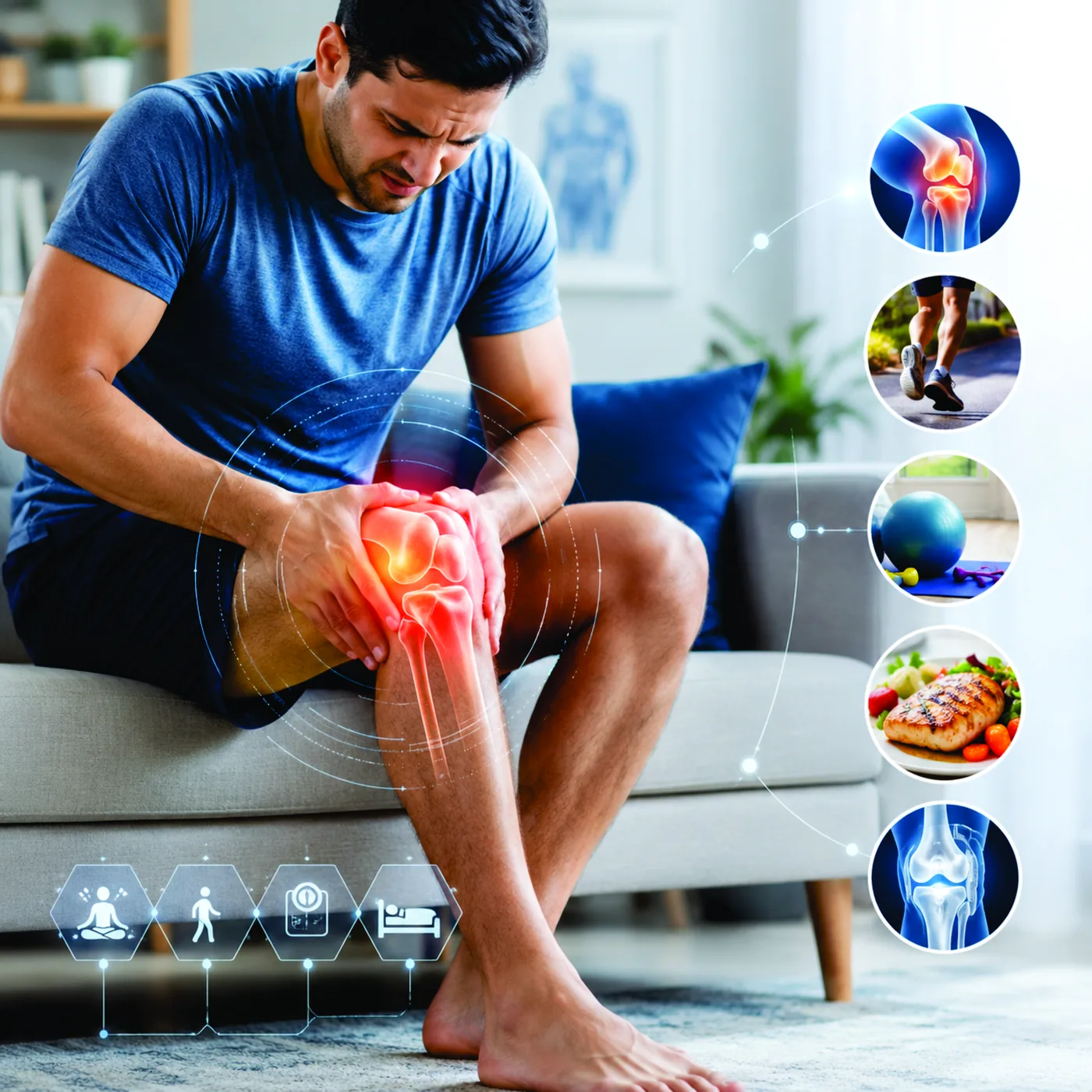
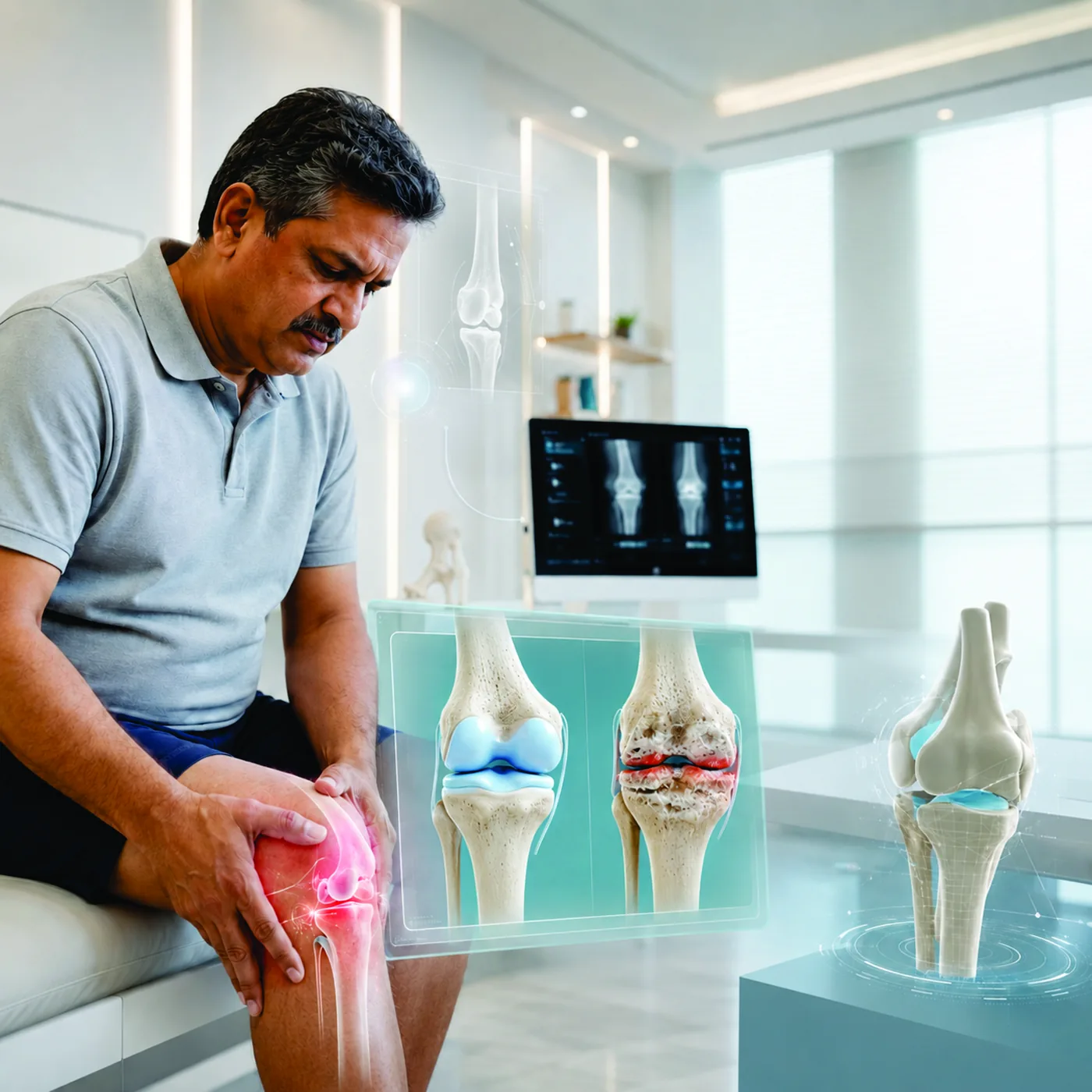
Patient-education illustration depicting a person experiencing knee discomfort
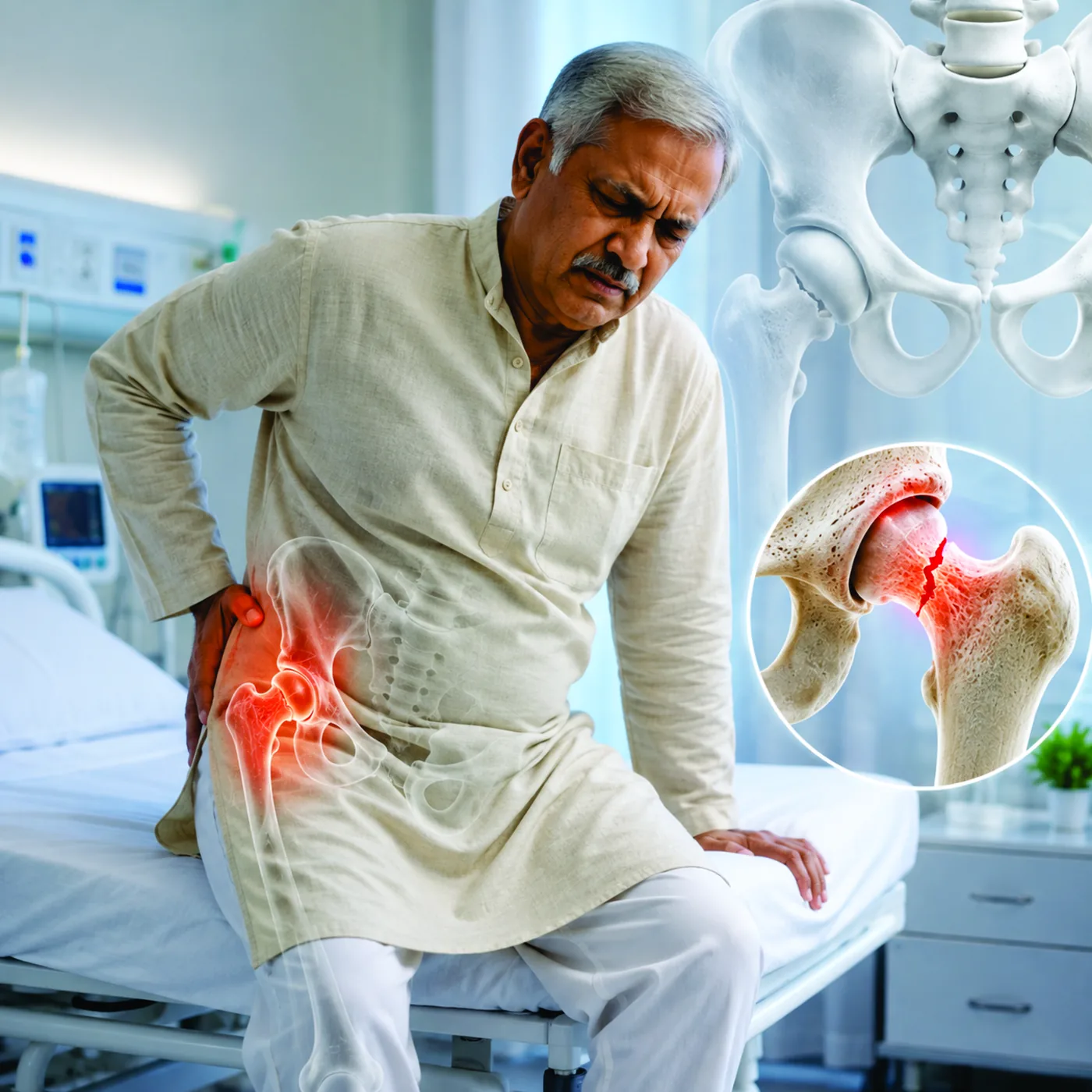
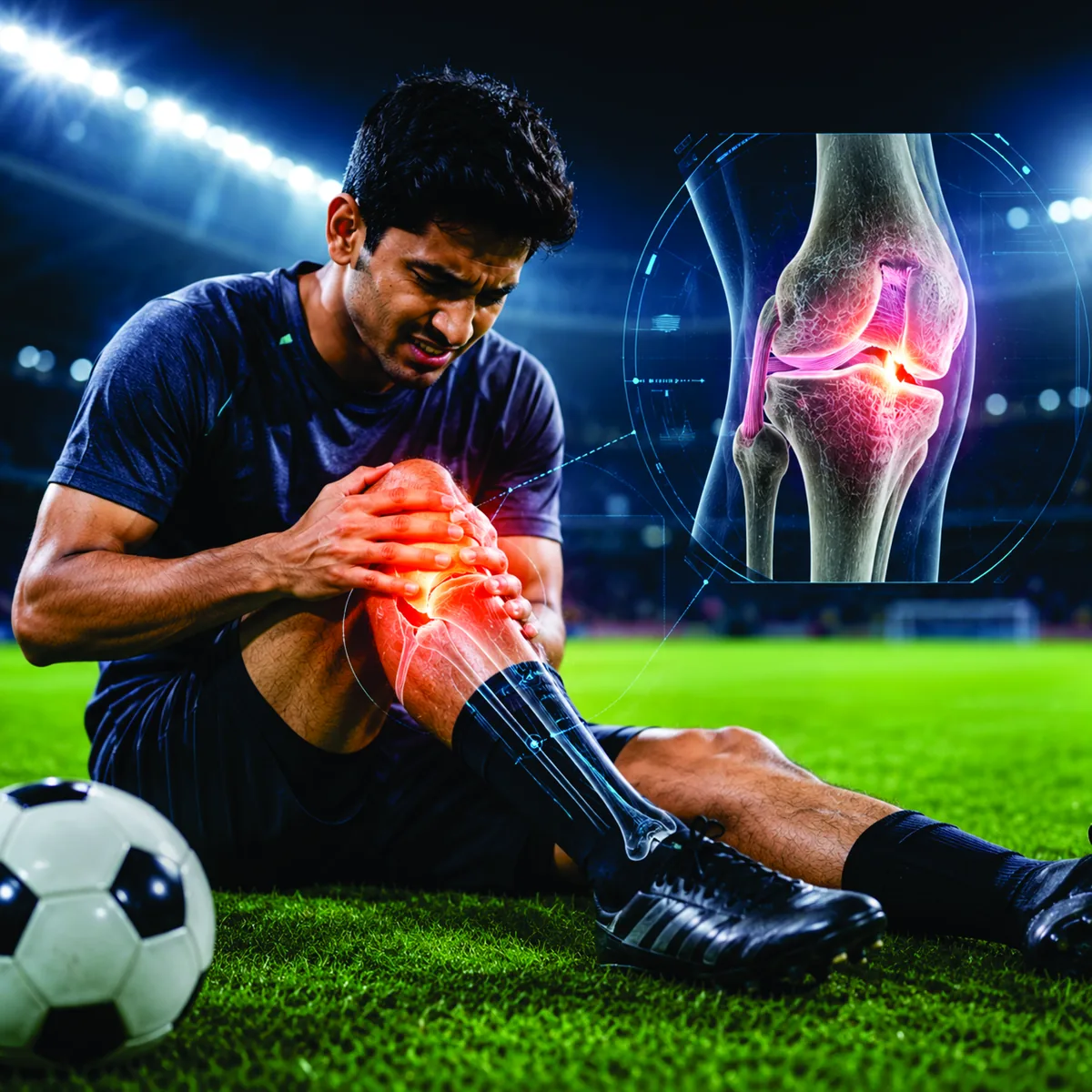
Patient-education illustrationKnee-pain illustration; not an individual diagnosis. General visual information only; not a patient record or treatment outcome.

Care, beyond the first visit

Questions worth
bringing with you.

Clear information and shared decisions remain important at every stage.

09

Qualifications and clinic information

Professional qualifications, registration, hospital affiliations and awards are separate kinds of information. Patients can request exact credentials and confirm details with the relevant issuing body. Before a procedure, verify the operating facility, care team, follow-up plan and current costs directly with the clinic or hospital.

10

Understanding credentials and public recognition

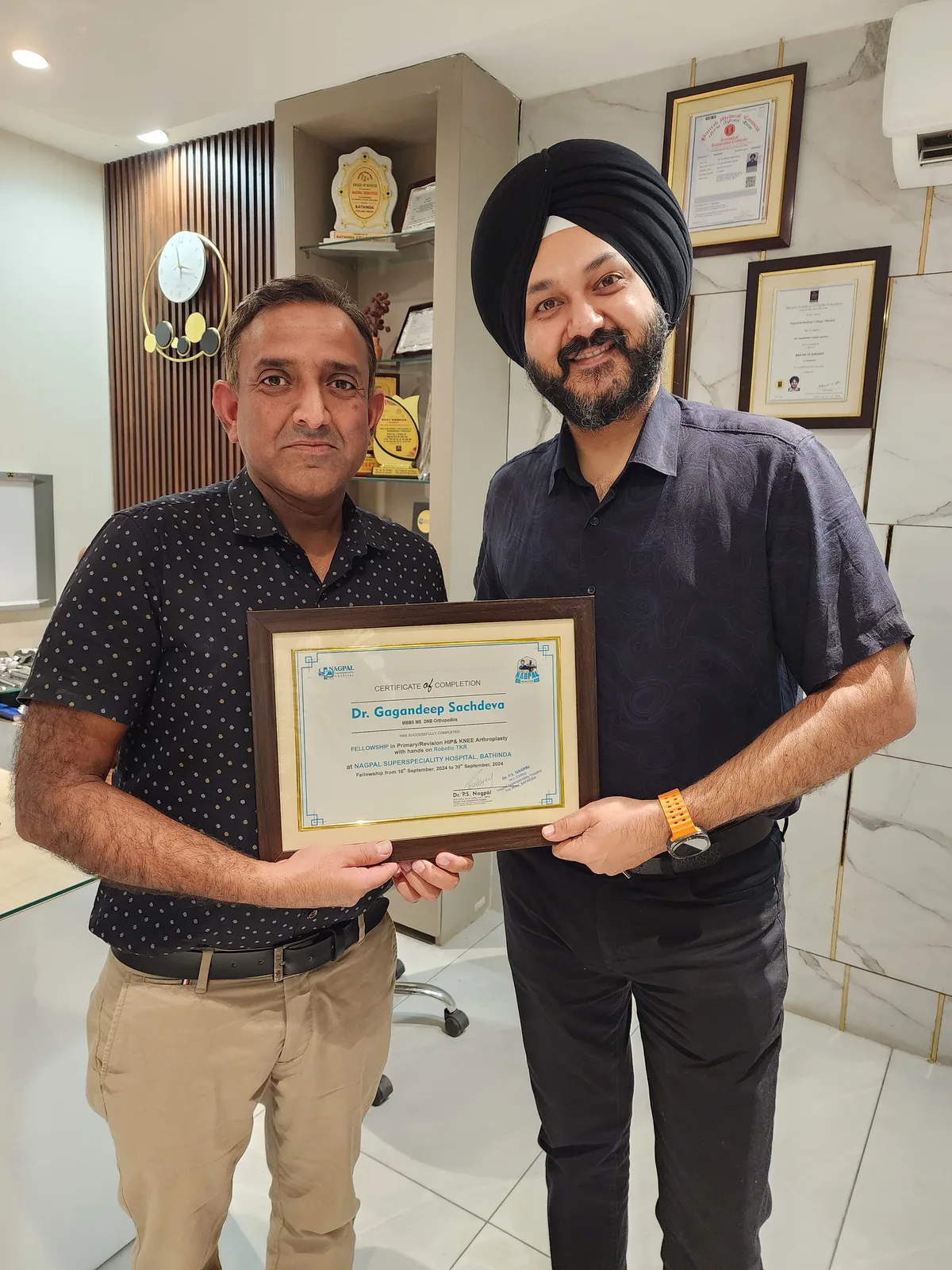
Professional qualifications, registrations, hospital affiliations and awards are different kinds of information and should be checked against the relevant issuing organisation. This website presents general clinic information and images supplied for publication; it is not an independent credential-verification service. If a qualification, registration or recognition is important to your decision, ask the clinic for the exact name, date and issuing body and verify it through the appropriate official source. We avoid using an award or a promotional claim as proof that a treatment is superior or suitable for every patient.

11

Coordinating care beyond the consultation

Some patients need input from other clinicians before a treatment decision is final. Existing medical conditions, medicines, allergies or a previous operation may require additional review. If a procedure is planned, ask who is responsible for anaesthesia, inpatient care, wound review and physiotherapy, and which facility provides each service. Keep written instructions and appointment details together. Knowing whom to contact after a visit can reduce uncertainty, especially if a symptom changes or a test result needs explanation.

12

How patients can take part in decisions

Patients can describe their goals, request plain-language explanations and ask for time to think. A family member may help with notes when the patient wishes. It is reasonable to ask about alternatives, likely benefits, limitations, risks, cost and the practical work involved in recovery. Consent should follow a discussion that addresses the patient’s questions and preferences. If something remains unclear, ask again or seek another qualified opinion. A website cannot make the decision for you, and a consultation does not require you to proceed with a procedure.

13

Clinic information and local access

Nagpal Joint Clinic is at Nagpal Superspeciality Hospital, Mall Road, Bathinda, Punjab 151001. Call to confirm current hours, availability, fees and the location of any separately arranged procedure before travelling. Patients coming from outside Bathinda may want to confirm the address, appointment time and reports to bring in advance. The clinic’s contact page includes a map search link and phone number. For emergency symptoms, use local emergency services rather than waiting for a clinic form or email response.
14

Independent decision-making

Patients can request plain-language explanations, take time to compare reasonable options and seek another qualified opinion if they remain unsure. A story, review or public recognition cannot predict an individual result. Patient names, photographs or quotations should be published only with appropriate permission and should never be treated as medical advice.

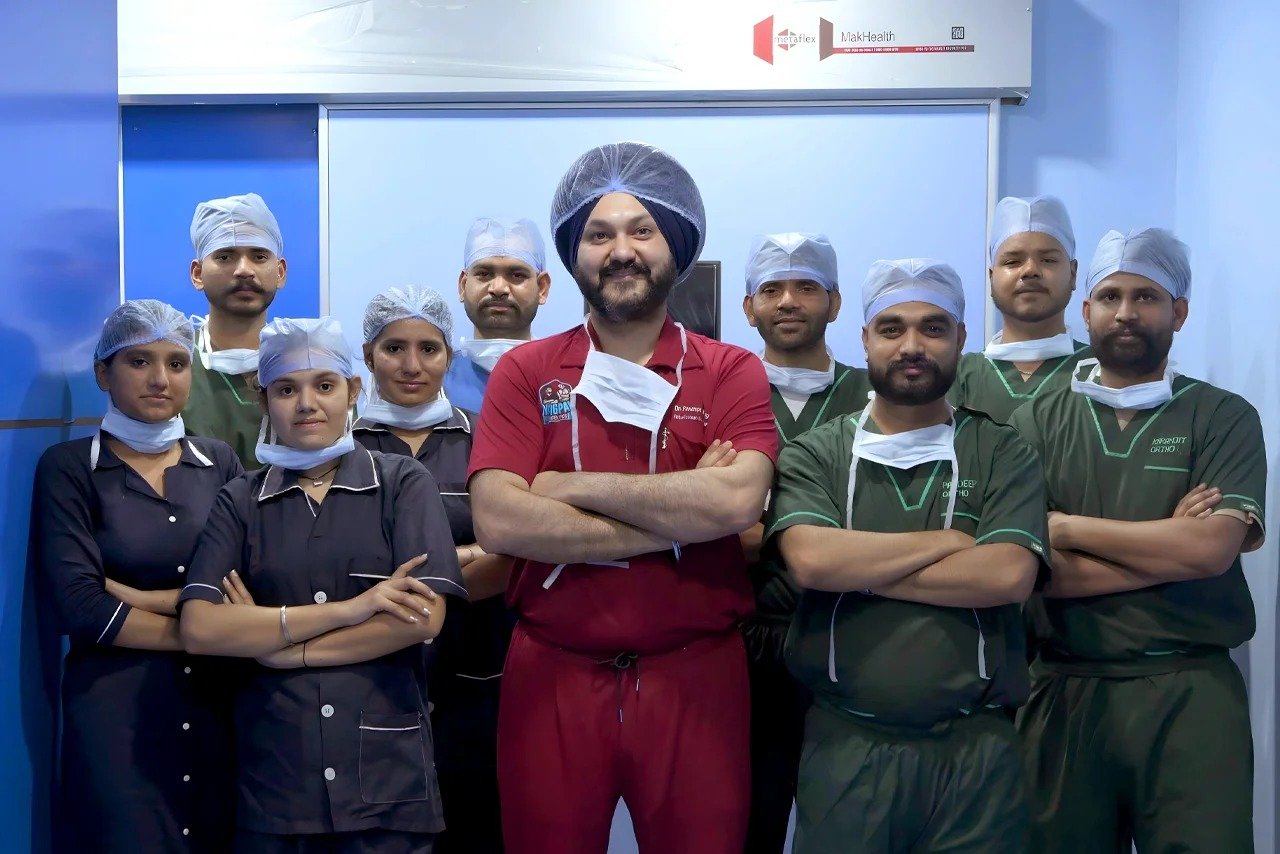
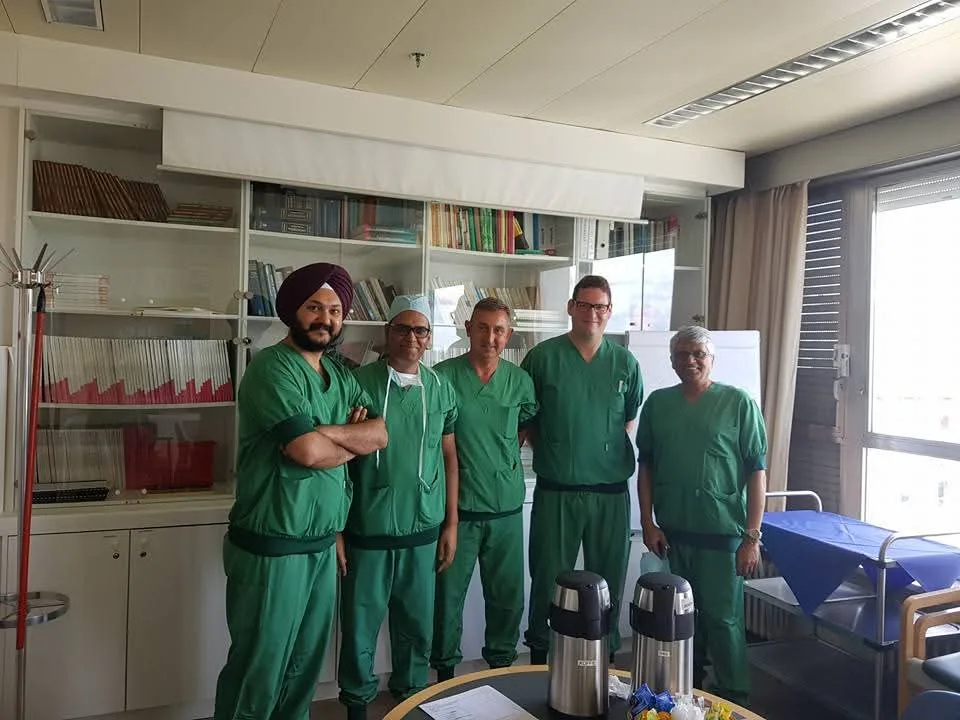
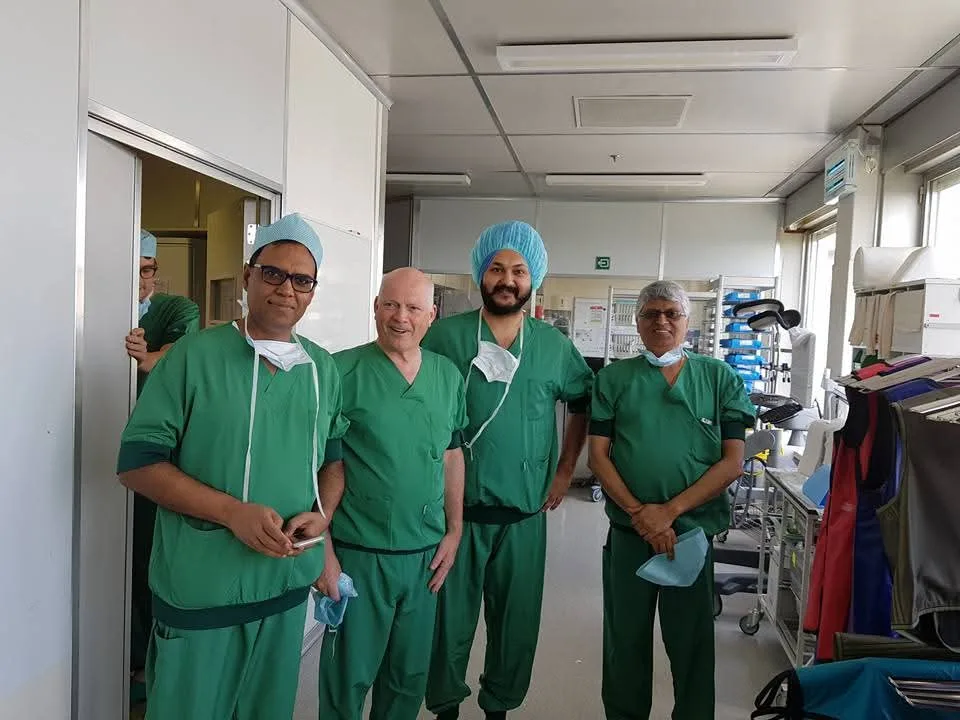
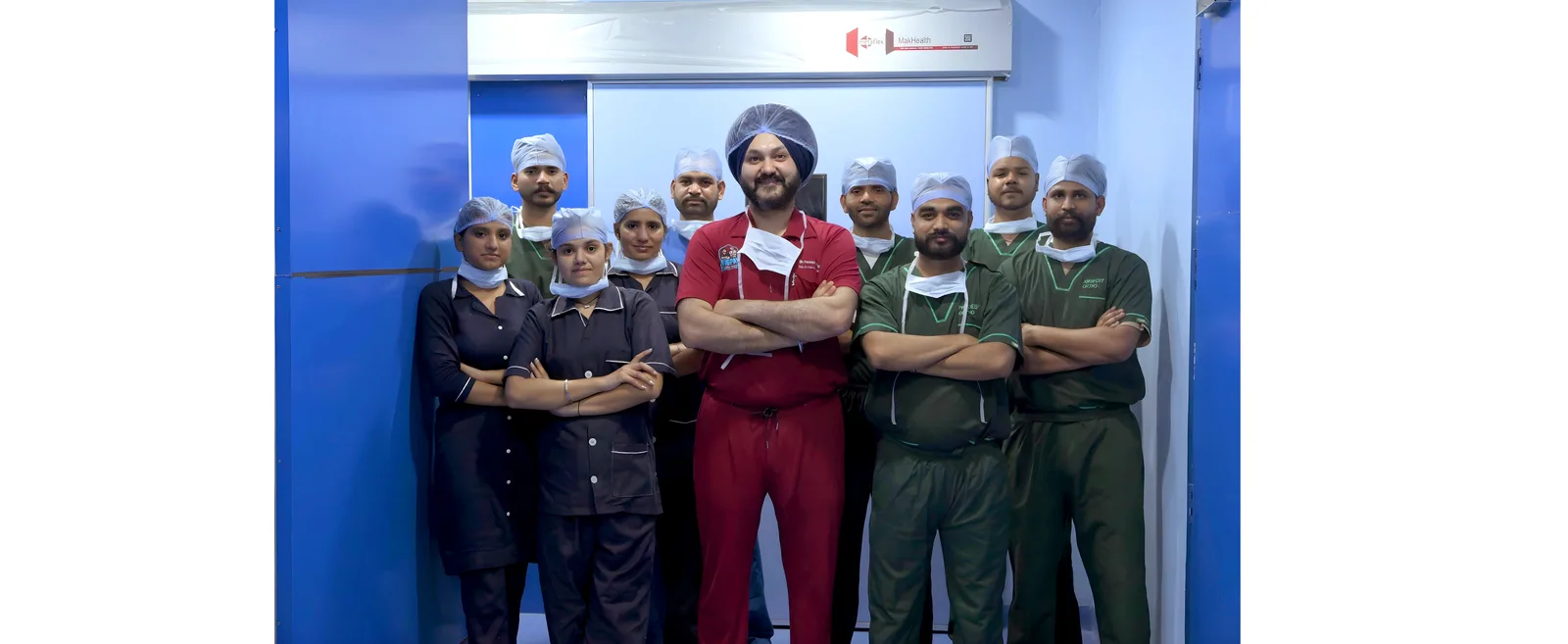
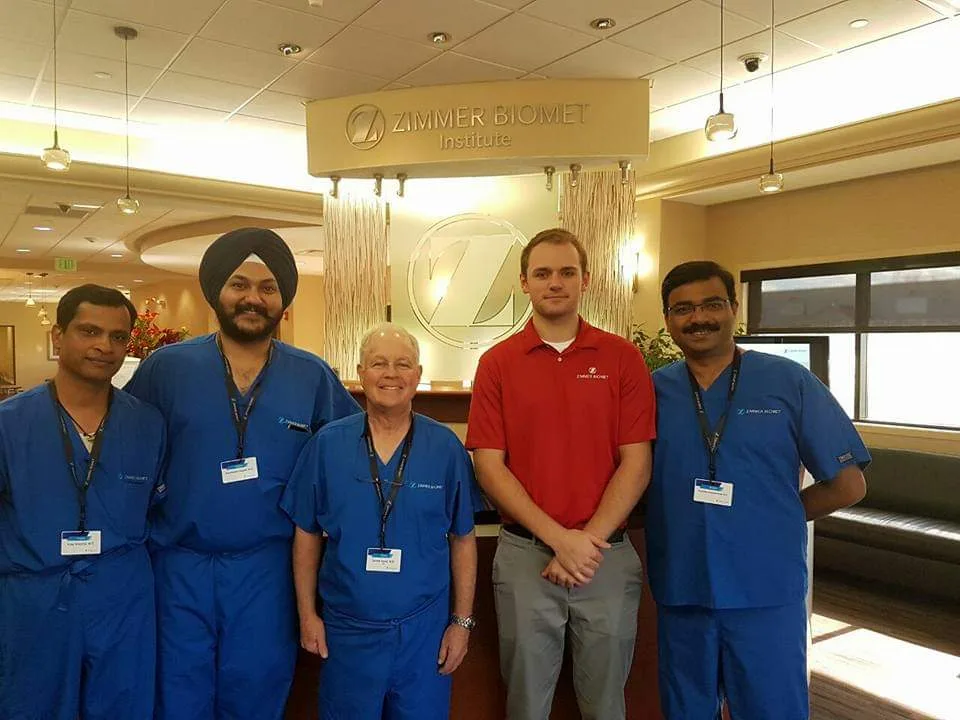
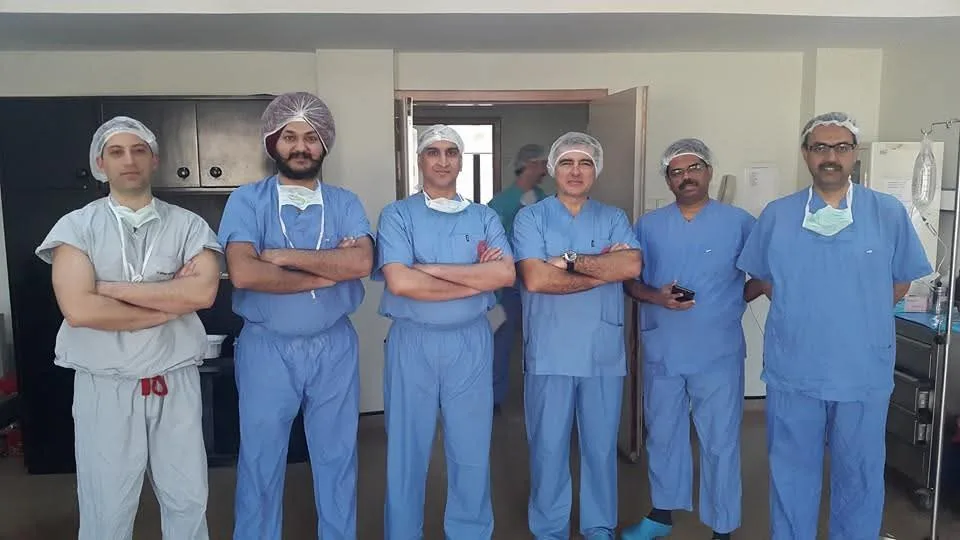
Clinic-supplied photograph of Dr. Nagpal with a clinical team in a hospital setting
Care is coordinated

More than one person
helps make a plan.

Ask which clinic, hospital and rehabilitation teams will provide each part of a proposed care plan. The people and setting involved may vary by the care being discussed.

CLINIC-SUPPLIED TEAM PHOTOGRAPH
From the public conversation

Perspectives beyond
the clinic room.

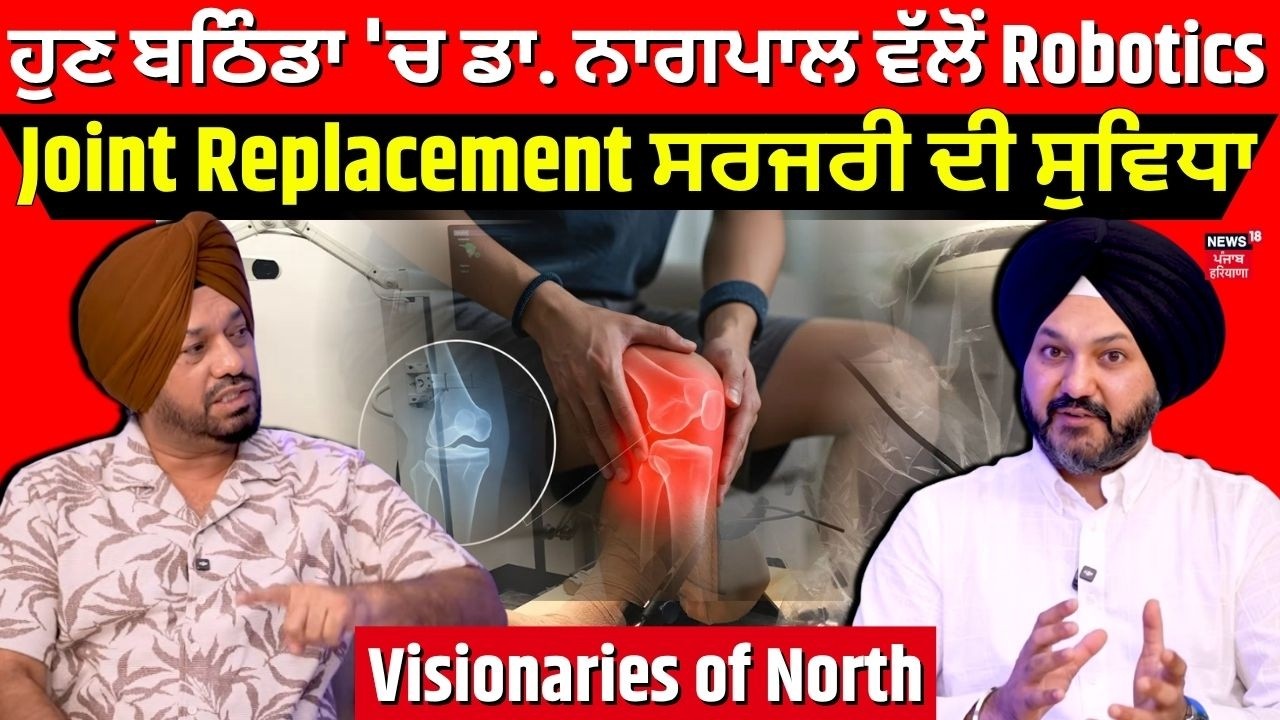
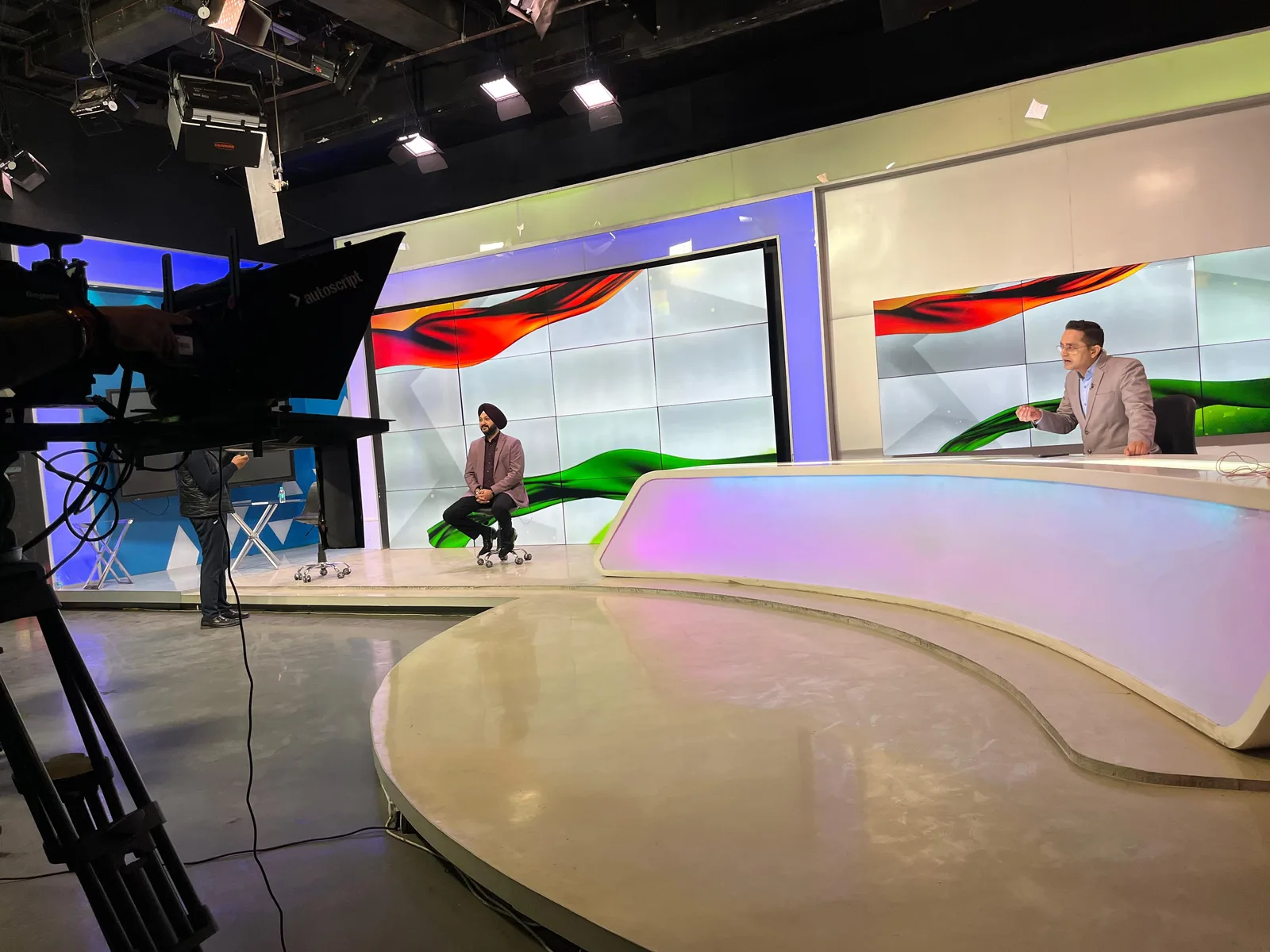
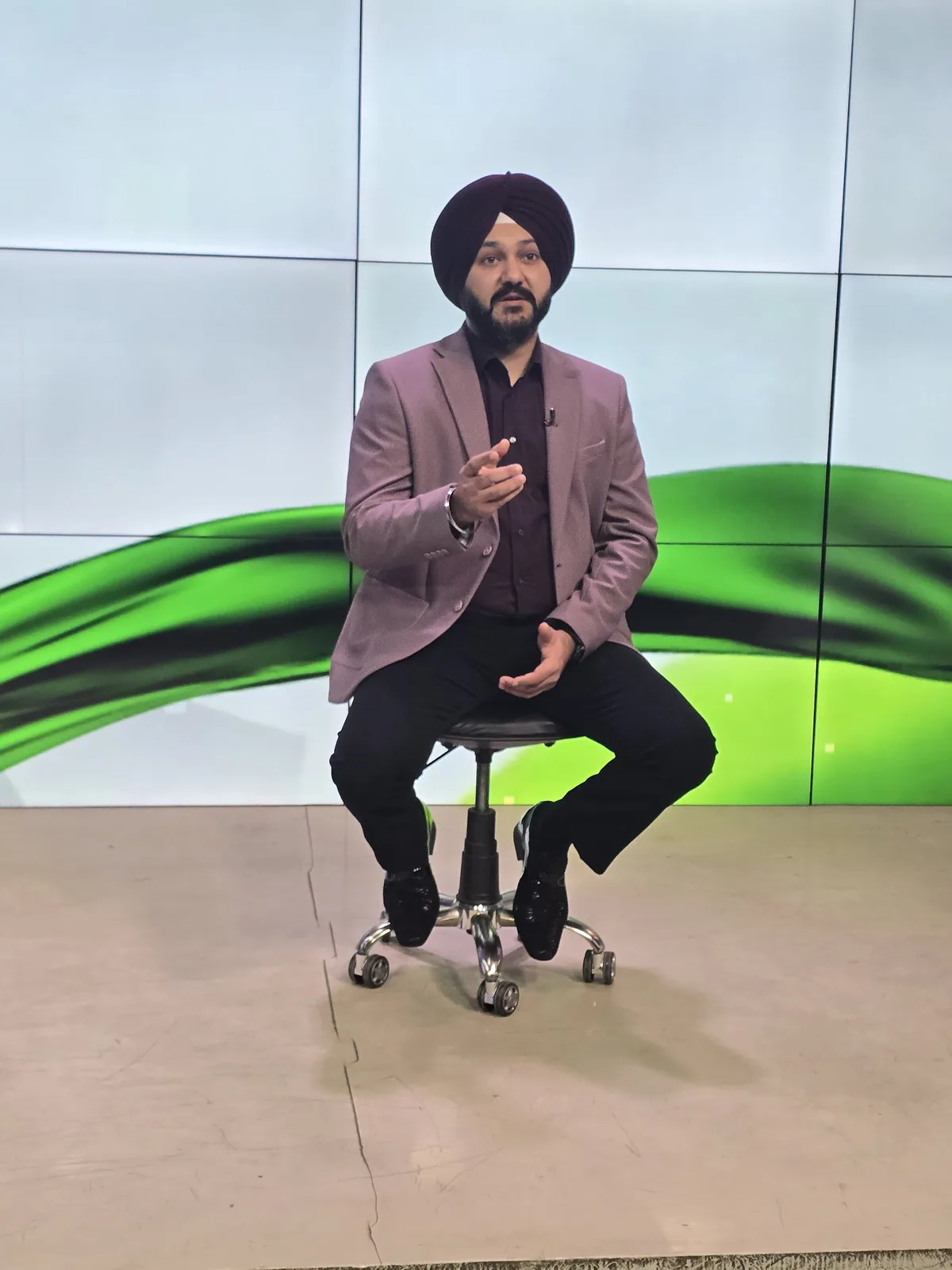
Public interviews with Mr. Gurpreet Ghuggi and Simranjot Makkar. These are general conversations—not patient testimonials, medical advice or a guide to an individual’s care.

PUBLIC INTERVIEW · GENERAL CONVERSATION

With Simranjot Makkar

These videos are public interviews and do not constitute medical advice or patient testimonials. For health concerns, speak with a qualified clinician who can assess your circumstances.

Photographs & visual information

A closer look at
the people and place.

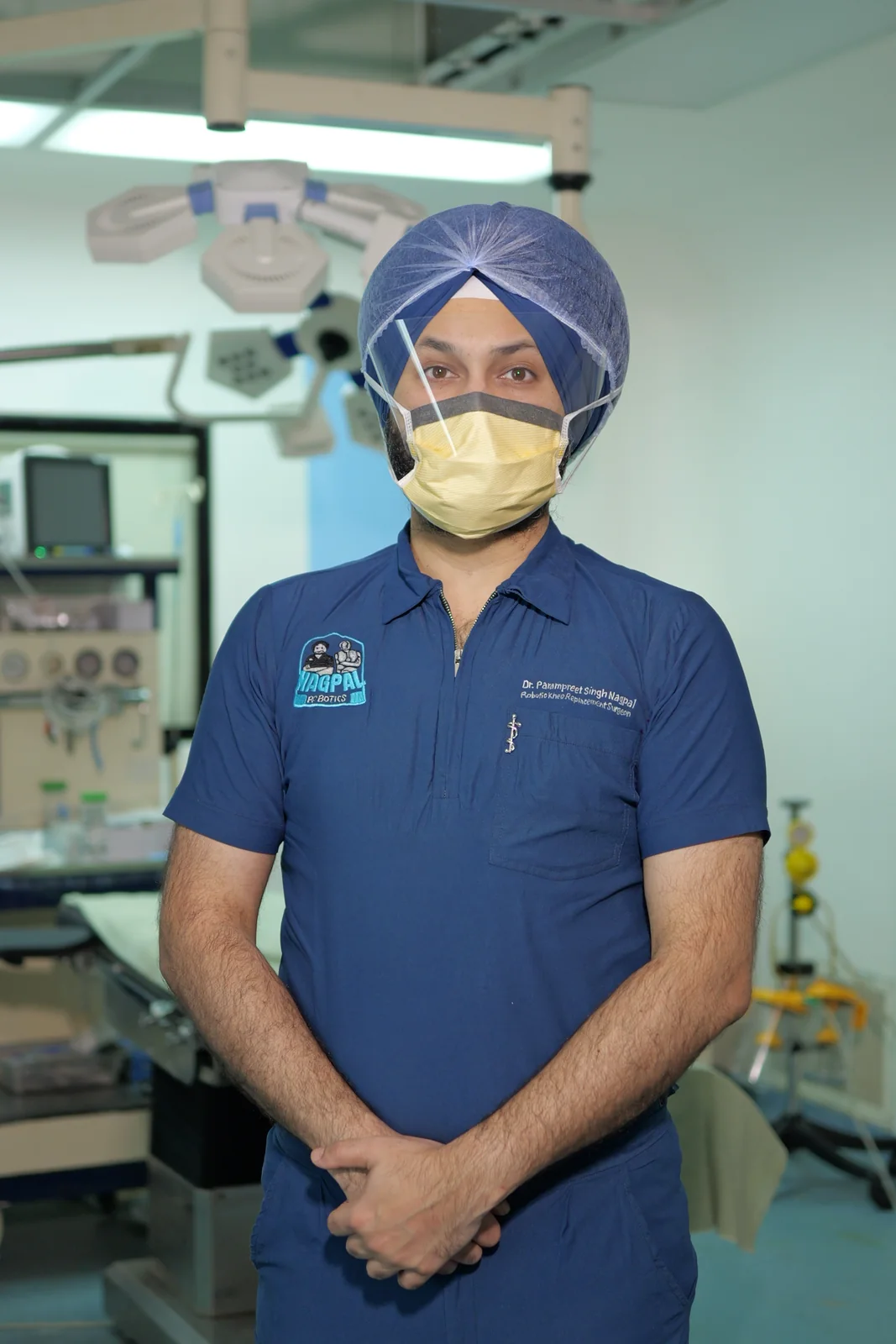
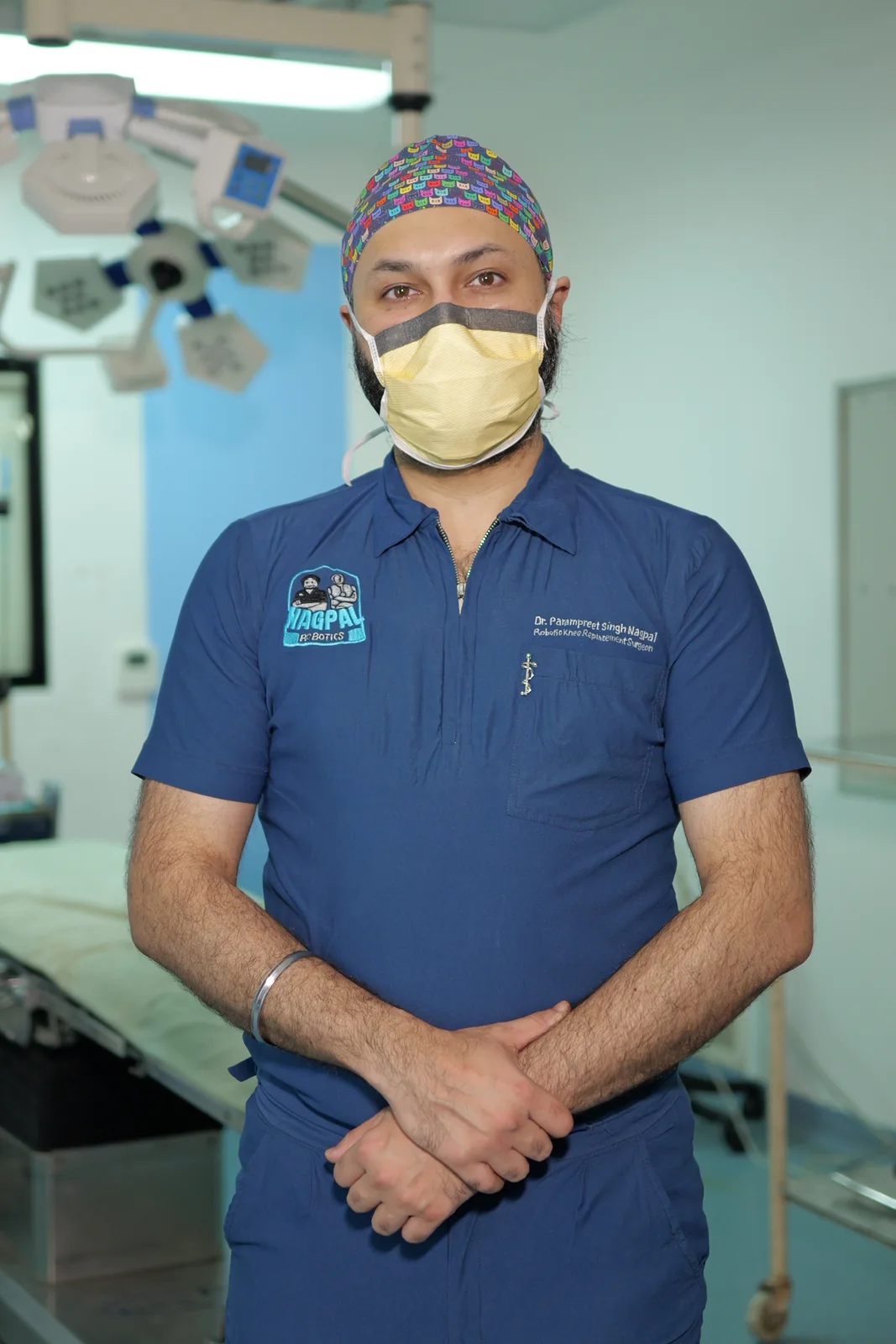
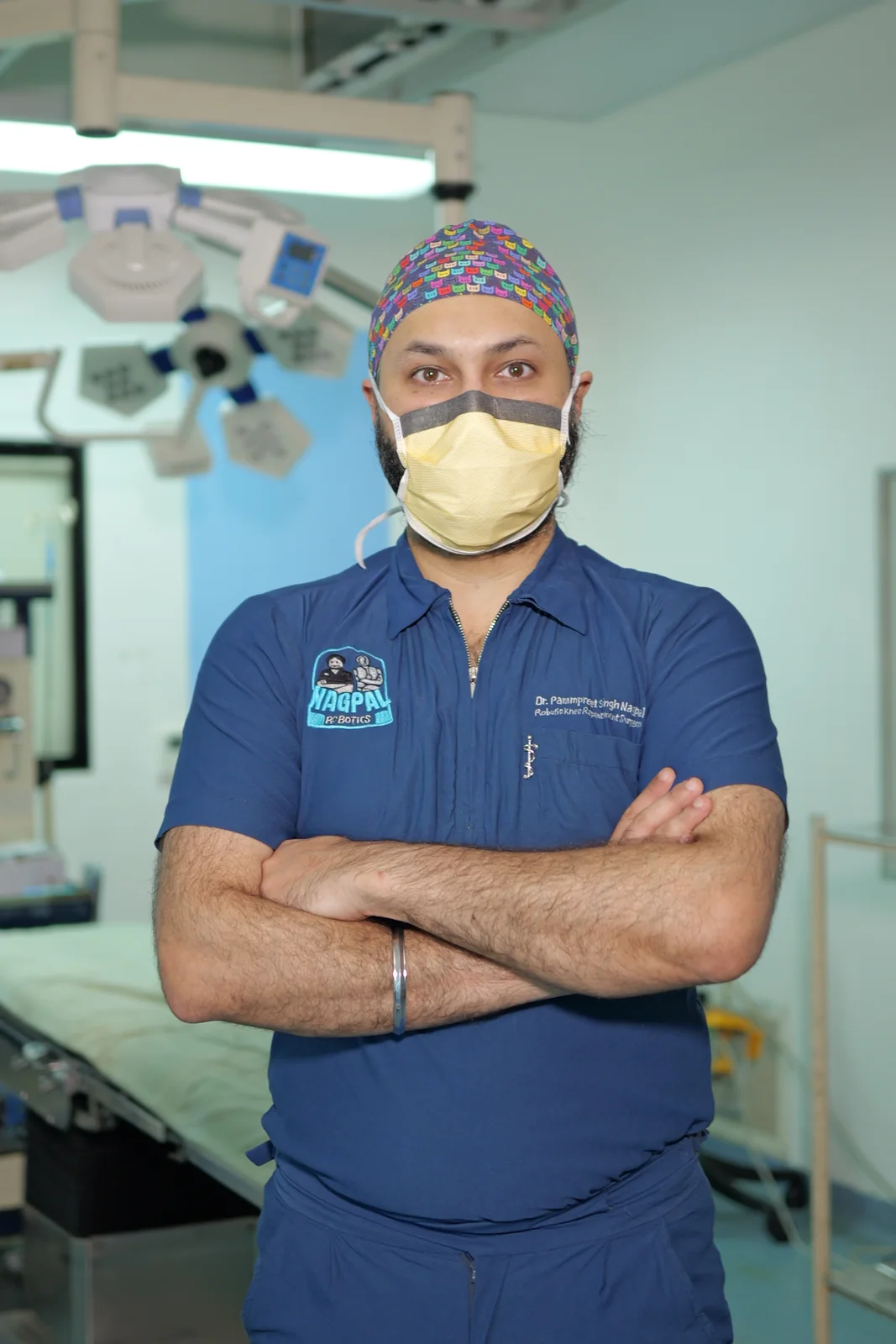
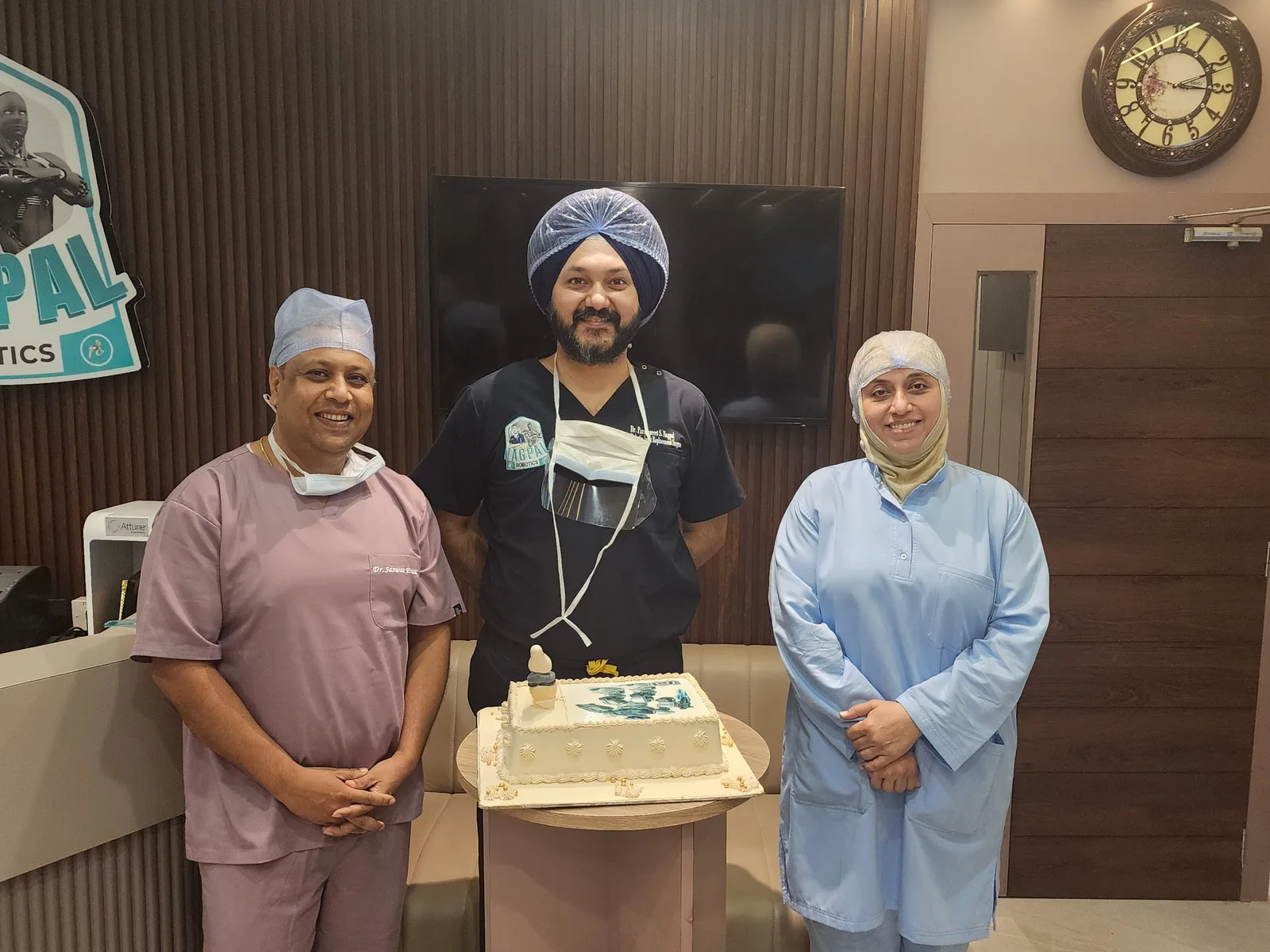
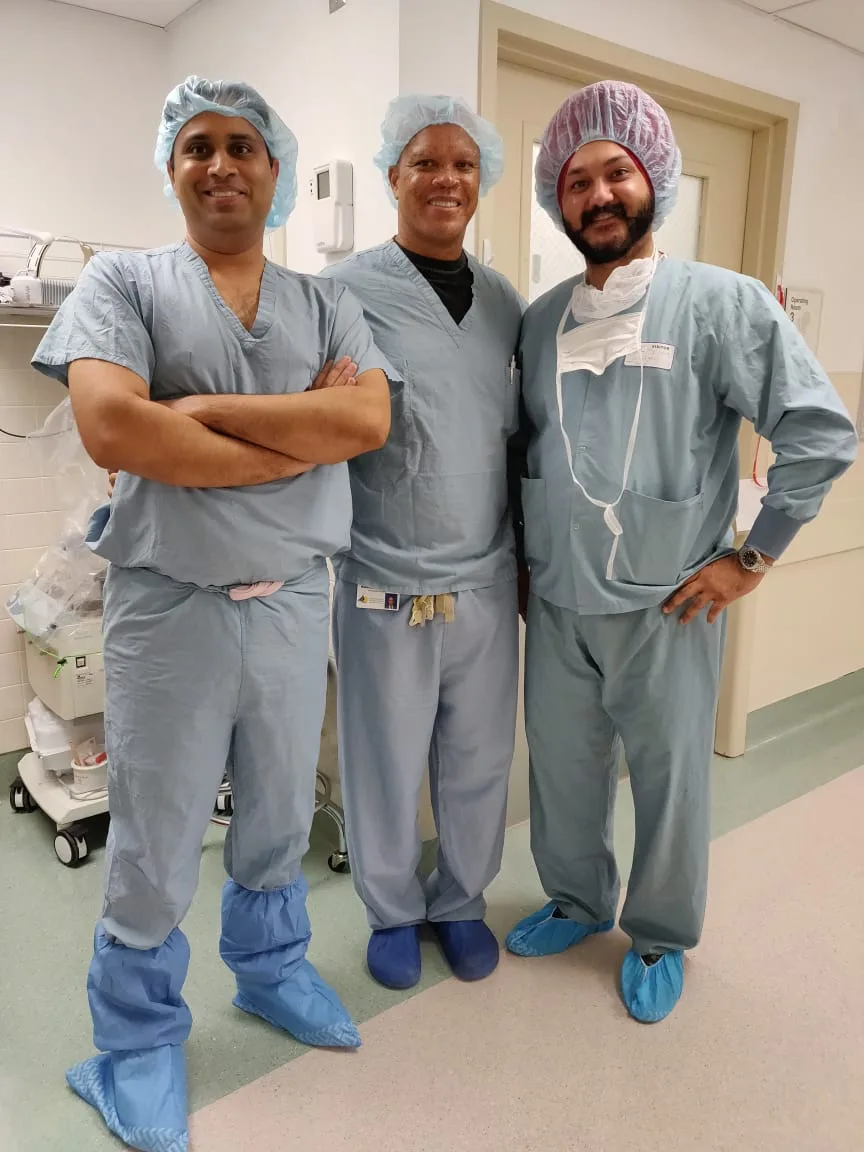
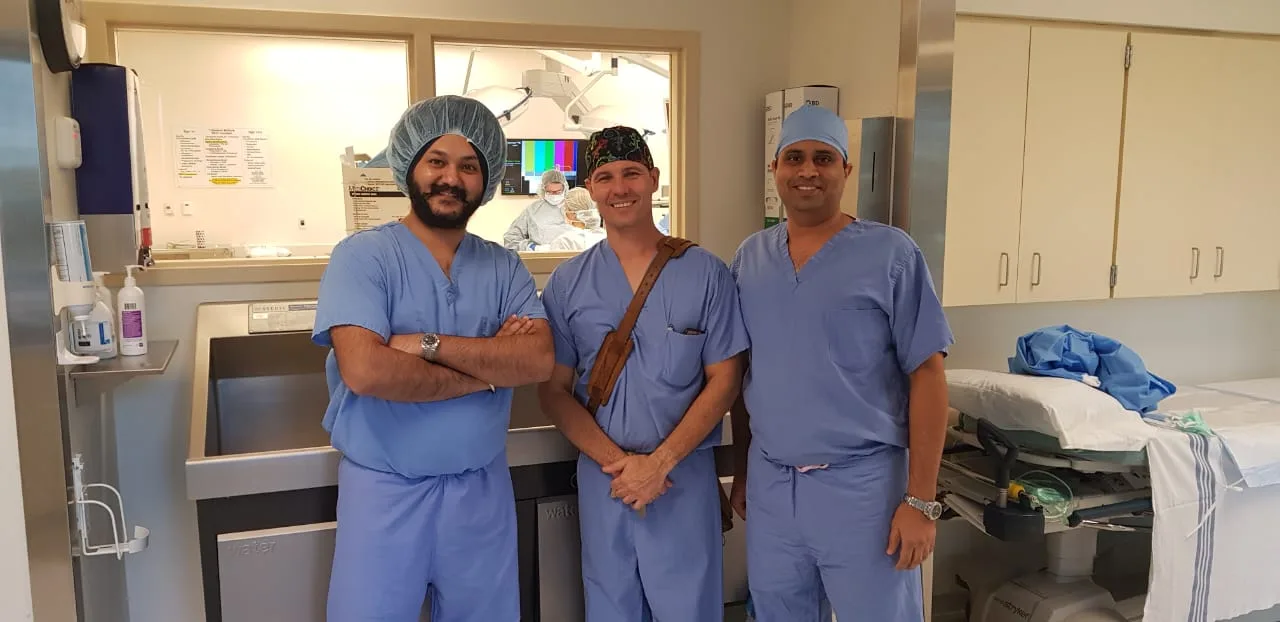
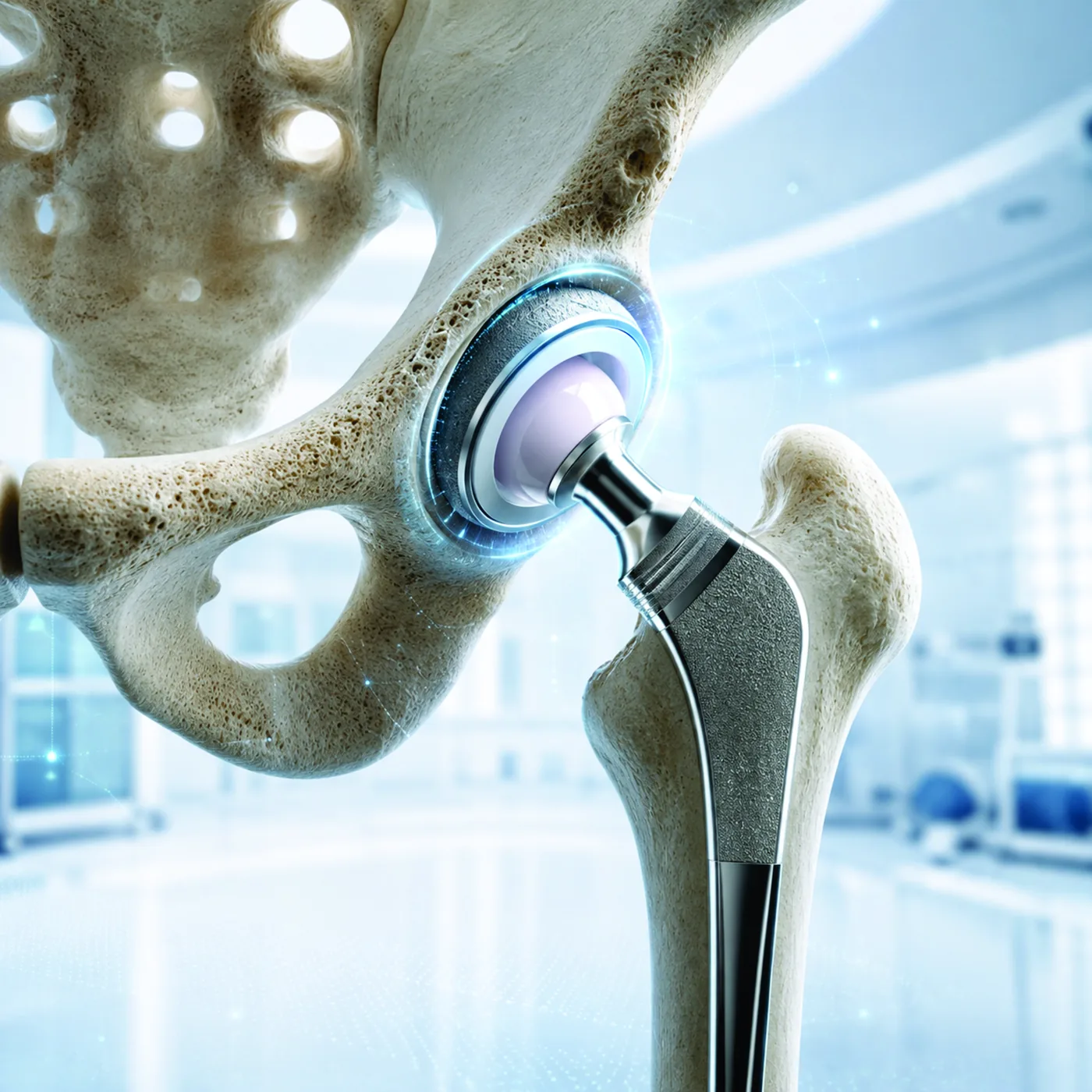
The clinic-supplied photographs show Dr. P.S. Nagpal in clinical settings. Patient-education images are illustrations, not patient records, diagnoses or promises about treatment results. Equipment shown in a photograph does not determine which option is appropriate for an individual.

Dr. Nagpal in clinical settings 01 — 04

Dr. Parampreet Singh Nagpal in blue scrubs and a surgical mask.
Clinic-supplied photograph of Dr. Nagpal.
Dr. Parampreet Singh Nagpal wearing a protective mask and blue scrubs.
Clinic-supplied photograph of Dr. Nagpal.
Dr. Parampreet Singh Nagpal in protective operating-room attire.
Clinic-supplied photograph of Dr. Nagpal.
Dr. Parampreet Singh Nagpal in blue scrubs and a surgical mask at the hospital.
Clinic-supplied photograph of Dr. Nagpal.

Colleagues, events & public conversations CLINIC-SUPPLIED PHOTOGRAPHS

Public recognition IMAGES SUPPLIED BY THE CLINIC

Dr. Nagpal pictured at an event backdrop reading The Iconic Punjabi Awards
Clinic-supplied event photograph; recognition details should be verified with the issuing organisation.
Dr. Nagpal pictured at The Iconic Punjabi Awards event
Clinic-supplied event photograph; this image is not independent credential verification.
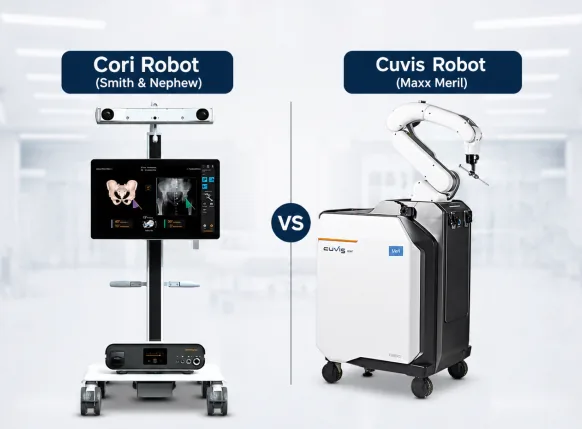
Clinic-supplied comparison graphic showing two joint-planning systems
Equipment-comparison graphic supplied by the clinic; it is not a treatment recommendation.
Explore the technical overview
Before you travel

Make room for
a useful visit.

Bring what helps tell the story of your joint concern. A little preparation can make it easier to use your appointment time well.

A short checklist

  • 01Earlier reports and imaging
  • 02Current medicines and allergy information
  • 03Relevant health conditions and previous advice
  • 04Activities affected and questions to ask

Nagpal Joint Clinic
Nagpal Superspeciality Hospital
Mall Road, Bathinda, Punjab 151001

Call to confirm current hours, availability, fees and the location of any separately arranged procedure before travelling. For emergency symptoms, use local emergency services.

+91 98551-63355