
Joint health,
made clearer.
Thoughtful guides to help you understand knee and hip symptoms, explore care options and prepare useful questions for a clinical conversation.
 A guide to begin with
Knee Pain Assessment: Questions to Prepare
Learn what symptom details, reports and questions can help prepare for a knee pain consultation.
Read this guideFind the guide you need
Start with a topic, or search for a question you want to bring to your visit.
6 guides
 02
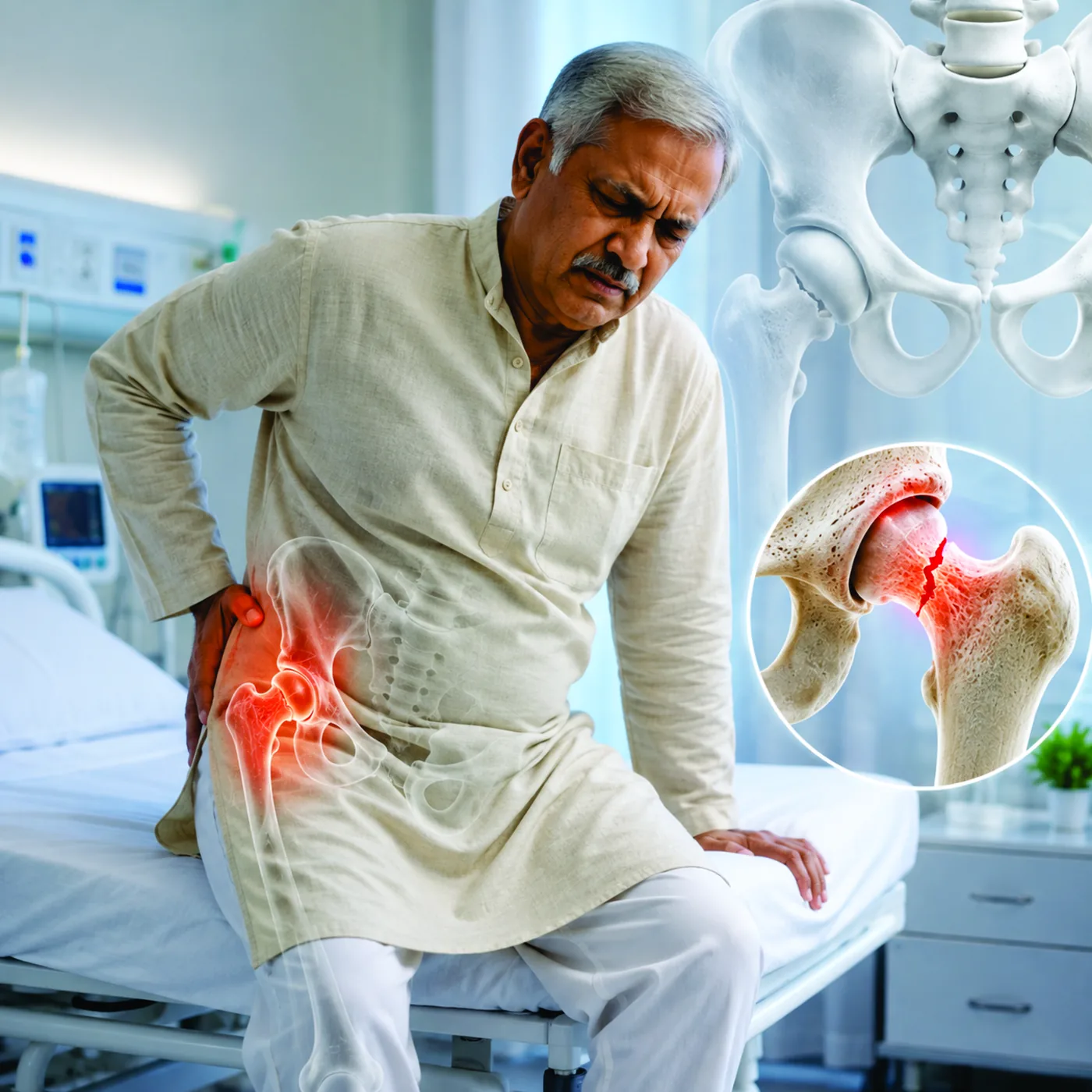
Hip Pain: When to Request an Assessment
Prepare to describe hip symptoms and understand when a fall or severe pain needs urgent attention.
Read guide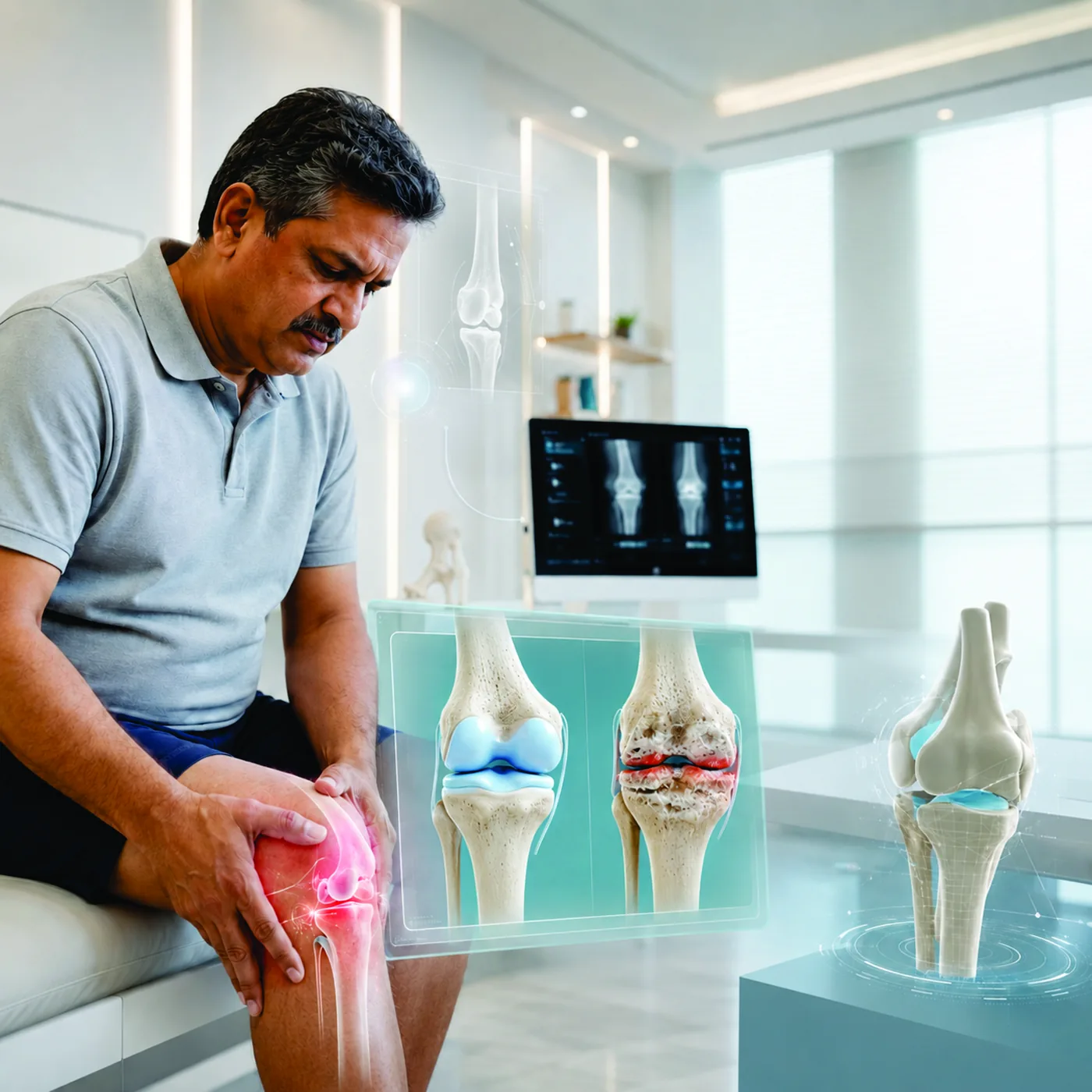 03
Arthritis vs. Joint Pain: What's the Difference?
Joint pain has many causes. Learn what an orthopaedic assessment may consider and when to seek urgent care.
Read guide 04
What to Ask Before Knee Replacement
A checklist covering diagnosis, alternatives, risks, facility arrangements and recovery planning.
Read guide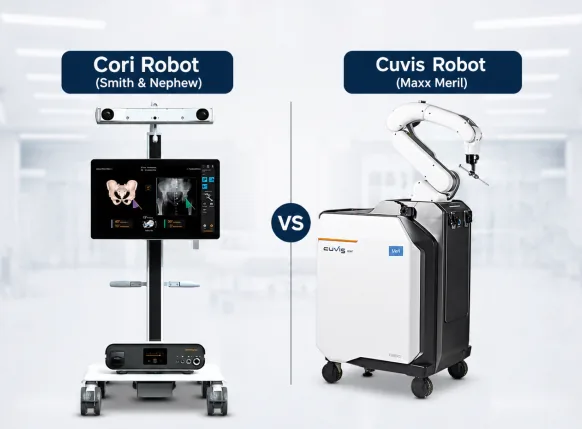 05
How to Prepare for Joint Replacement Surgery
A practical guide to records, medicine lists, facility questions and planning before a joint replacement discussion.
Read guide 06
Life After Knee Replacement: What to Expect
Recovery instructions depend on the procedure and patient. Learn what to confirm with the treating team.
Read guideNo guides match that search
Try another phrase or choose a different topic.
A clearer conversation starts with good questions.
These notes can help you prepare, understand what to ask and know when online information is not enough.
How to Use Orthopaedic Health Information
Health articles can help you prepare questions, but they cannot examine a joint or decide which treatment is appropriate. Use the guides below as background, then discuss your symptoms and goals with a qualified clinician. The clinic’s service pages cover knee pain, arthritis, hip concerns, sports injuries and appointment planning. They are written for general education; details can vary as clinical practice and facility arrangements change.
Describe the problem before searching for a treatment
Start with what you notice: where pain is felt, when it began, whether there was an injury and which activities have changed. Record whether swelling, stiffness, weakness or difficulty bearing weight occurs. A clear symptom history is often more useful than choosing a procedure based on a search result. Similar symptoms can have different causes, and one person’s diagnosis may not apply to another. If the problem is sudden or severe, seek timely assessment instead of relying on an article.
Use knee pain guides for questions, not diagnosis
Knee pain may relate to arthritis, an injury, overuse or another condition. A page about knee pain assessment can help you prepare for a visit, but a clinician needs to interpret symptoms, examination and relevant imaging together. Not every painful knee needs surgery, and an X-ray finding alone does not decide treatment. Bring previous reports and note what treatments have helped or caused difficulty.
Understand arthritis as a broad term
Arthritis includes different joint conditions with different patterns and care options. Read the arthritis care guide to learn what questions to ask, such as which type is suspected, what tests are useful and how treatment will be reviewed. Do not start or stop medicine because an article suggests it. Medicine choices depend on health conditions, allergies and other prescriptions, so discuss changes with the clinician responsible for your care.
Hip symptoms may have more than one source
Pain around the hip can be felt in the groin, thigh or buttock and may sometimes be related to the back or nearby soft tissues. A hip pain assessment can help you understand what information to bring and what a clinician may examine. A serious fall, inability to stand or sudden severe pain calls for urgent assessment. Do not use an online checklist to rule out a fracture.
Respond carefully to sports injuries
After a twist, collision or fall, stop an activity that causes severe pain and avoid testing the joint repeatedly. A visible deformity, numbness, inability to bear weight or rapidly increasing pain needs prompt medical attention. The sports injury guide explains what to record and what to ask about rehabilitation. Returning to sport depends on the specific injury and progress, not only on the date of an upcoming match.
Imaging is one part of an assessment
X-rays, MRI and other tests are selected to answer clinical questions. A scan may show changes that do not fully explain symptoms, and the same report can mean different things in different clinical contexts. Bring the actual images and written report if available. Ask why a new investigation is recommended, what it can show and how it may change the care plan. Avoid repeating tests or interpreting a report without a clinician who can consider your history and examination.
Compare non-surgical options
Depending on the diagnosis, a clinician may discuss activity changes, physiotherapy, exercise, medicine review, supportive equipment or further testing. These options are not interchangeable, and some may be inappropriate for an individual. Ask what each option is intended to improve, how long it may be tried and when the plan should be reviewed. If advice from different clinicians differs, ask them to explain the reasoning. You may seek a second opinion, especially before a major operation.
Read about surgery with realistic expectations
The knee replacement guide describes general considerations, not a recommendation for every reader. Surgery has risks and may not remove all symptoms. Ask about alternatives, the hospital or operating facility, who will provide each part of care, rehabilitation, follow-up and costs. No website can guarantee a pain-free result, a particular implant lifespan or a fixed recovery date. Hip symptoms require their own assessment; a knee procedure page cannot advise whether a hip operation is appropriate.
Before you decide on a procedure
Ask the clinician to explain the diagnosis, which findings support it and what remains uncertain. Discuss the expected benefit, important risks, reasonable alternatives and what could happen if you delay. Confirm which facility would provide the procedure, who is responsible for each part of care and how follow-up and rehabilitation are arranged. Take time to read consent information and request a plain-language explanation of anything you do not understand. A treatment decision should reflect an individual assessment and the patient’s preferences, not a search phrase or another person’s experience.
Recovery is individual
Recovery depends on the procedure, health, mobility before treatment, pain control, wound healing, support at home and rehabilitation. Another person’s walking date or exercise routine is not a safe timetable for you. Follow written instructions from your surgical and physiotherapy teams. Ask which activities are encouraged, what should be avoided and whom to contact if symptoms worsen. Chest pain, sudden breathlessness, fever with a hot swollen joint or a concerning wound change needs prompt medical assessment.
Check the source and date of an article
Look for who wrote or published information, its date and whether it is educational, promotional or a personal story. Health advice can change, and an older page may no longer describe current arrangements. A media appearance or award is not evidence that a treatment will work for an individual. The clinic’s About page explains why credentials and recognitions should be checked with the issuing organisation. Verify publication details with the original publisher when they matter to you.
Prepare for a clinic appointment
Bring imaging, reports, a medicine and allergy list, and notes about the activities affected by symptoms. Write down questions before you arrive. The clinic lists consultations at Mall Road, Bathinda; confirm current hours, fees, availability and the appointment time before travelling. A form submission is a request, not a confirmed booking. If surgery is later considered, confirm the separate operating facility and follow-up arrangements directly with the clinical team.
Know when online information is not enough
Online articles cannot assess a serious injury, fever with a hot swollen joint, sudden inability to bear weight, new weakness or numbness, chest pain or sudden breathlessness. Seek urgent local care for severe or rapidly worsening symptoms. Do not wait for a clinic form or a social message to be answered. For routine questions, contact the clinic during its listed hours. If you are unsure, ask a healthcare professional or emergency service which level of care is appropriate.
Medical evidence and promotional language
Be cautious with statements that promise a perfect result, a guaranteed recovery date, zero risk or a permanent implant. Health outcomes vary, and promotional phrases can leave out limitations. Look for information that explains who may benefit, what uncertainty remains and which alternatives are reasonable. If a number or comparison is presented, ask where it came from and which patient group it describes. A general article should not pressure you to choose a procedure or replace a discussion with the clinician who has examined you.
Using patient stories thoughtfully
A patient story is one person’s account and may not represent the experience of others. It cannot show whether a treatment is suitable for your diagnosis or predict your recovery. Avoid comparing your progress with someone in a video or social post. If you share your own experience publicly, consider whether it includes private health details and whether you are comfortable with it remaining online. Clinical advice should come from a qualified professional who knows your history, not from comments or anecdotes.
Keeping records for follow-up
Save copies of reports, medication instructions and questions between appointments. A short symptom log can note changes in walking, sleep, swelling or activity without becoming a substitute for medical assessment. Bring the information to follow-up so the clinician can compare it with your examination and decide whether the plan should change. If a medicine causes a concerning reaction or symptoms worsen quickly, seek advice promptly. Do not change a prescribed treatment based only on an article or a reader comment.
Use the knowledge centre as a starting point
The purpose of a patient guide is to help you have a clearer conversation, not to replace one. Note what you learned, what remains unclear and what matters most to you. Ask the clinician to explain the diagnosis, choices, risks and next steps in language you understand. You can take time to consider a recommendation and seek another qualified opinion. Use the FAQ page for general preparation and the contact page for current clinic details.
Talk through your next step with the clinic.
Request a consultation or call the team to confirm current availability, timings and fees.