
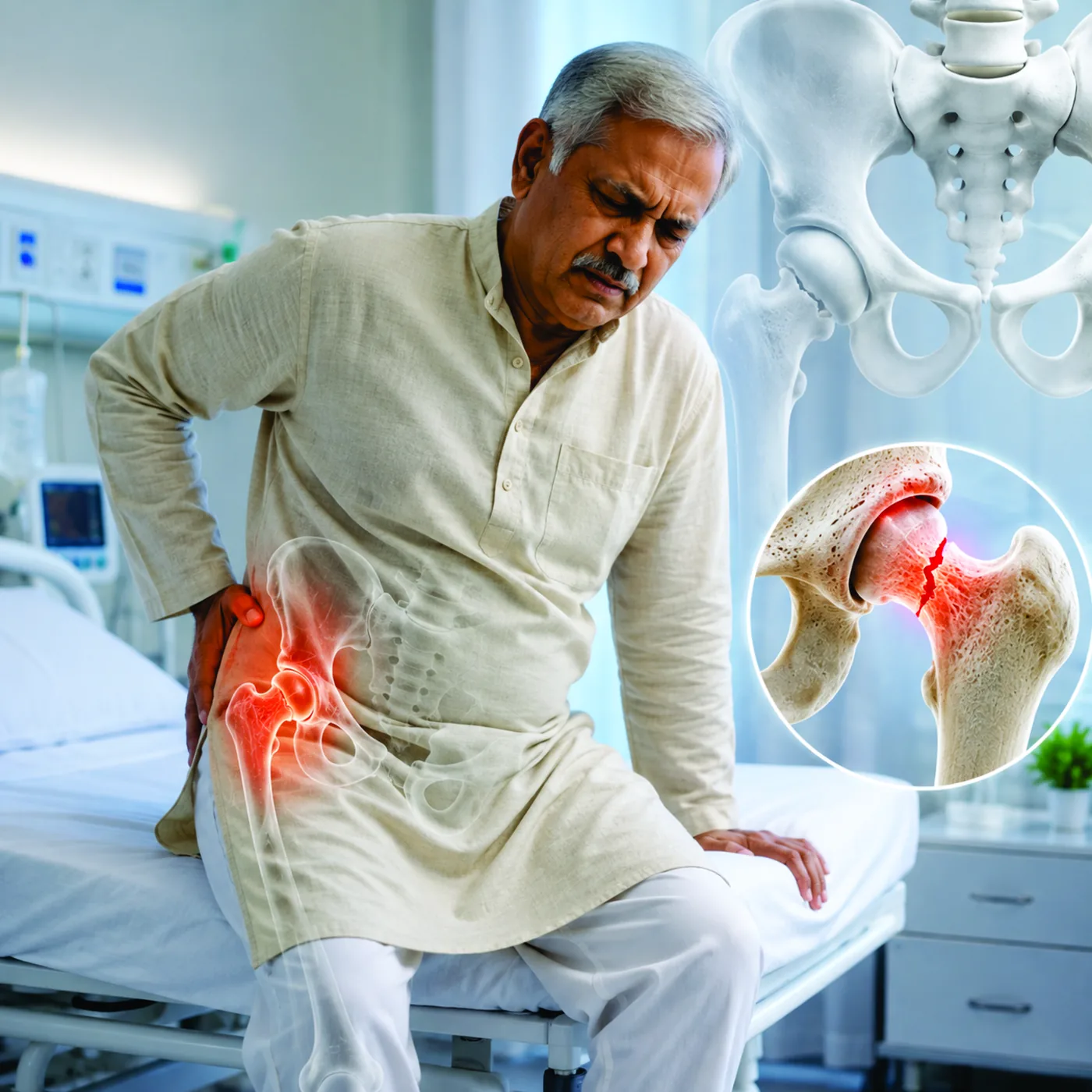
Hip pain can make walking, sitting, sleep and everyday tasks difficult. It is a symptom, not a diagnosis, and pain felt near the hip can sometimes come from the back or nearby soft tissues. An orthopaedic consultation in Bathinda can review the pattern of symptoms, examine movement and decide whether imaging or another opinion is useful. This guide explains how to prepare and which questions to ask. It cannot identify the cause of an individual person’s pain or replace an in-person assessment.
Where hip pain may be felt
Pain from the hip joint is often felt around the groin, but discomfort may also appear in the thigh, buttock or around the side of the hip. Back, nerve, muscle and tendon problems can create similar symptoms. The exact location is helpful information, but it does not establish the diagnosis. Note where symptoms begin, whether they spread, what movement brings them on and whether rest changes them. If pain is sudden after a fall or injury, or you cannot bear weight, seek prompt medical care rather than waiting for a routine clinic appointment.
Common patterns and possible causes
Hip discomfort may relate to arthritis, an injury, overuse, inflammation or structures around the joint. Age and activity can influence risk, but they do not prove the cause. Stiffness after rest, pain with movement, night discomfort or reduced walking distance are details a clinician may ask about. Similar symptoms can have different explanations and may require different care. Avoid self-diagnosing from a symptom checklist or an X-ray report. A physical examination and, when needed, appropriate imaging help the clinician decide what further assessment is useful.
When to arrange an assessment
Consider a routine assessment when pain continues, returns repeatedly, interferes with sleep or daily activities, or does not improve with reasonable self-care. Seek more urgent evaluation for a significant fall, sudden severe pain, inability to stand or walk, a visibly deformed limb, fever with a hot swollen joint or rapidly worsening symptoms. People with a recent operation, immune suppression or serious medical conditions should follow their clinician’s advice about new symptoms. If you are unsure how urgent the problem is, call a local healthcare professional or emergency service rather than relying on a website.
What to expect during the consultation
The clinician may ask when symptoms began, whether there was an injury, what activities are limited and what treatments you have tried. Examination may include walking, joint movement, strength and nearby areas such as the back. Bring prior scans and reports so they can be considered with the examination. Further tests are chosen to answer clinical questions; not everyone needs the same imaging. Tell the clinician about medicines, allergies, other diagnoses and previous operations. A useful visit should explain what is known, what is uncertain and what the next step may be.
Treatment depends on the cause
There is no single treatment for every type of hip pain. Depending on the diagnosis, a clinician may discuss changes in activity, physiotherapy, exercises, medicine review or other options. Some symptoms require further investigations or referral. Surgery is considered only for selected conditions after an assessment of benefits, risks and alternatives. Ask what the proposed care is intended to improve, what limitations it has and how progress will be reviewed.
Movement and activity while waiting
Until you have individual advice, avoid activities that clearly worsen pain and do not force a movement that causes severe symptoms. Complete rest is not necessarily appropriate for everyone, so ask a clinician what level of activity is safe for you. Use a walking aid only as advised and keep pathways at home clear if mobility is limited. Do not begin intense stretching, strengthening or online exercises without considering the injury and your health. If pain suddenly worsens or you develop new weakness, numbness or inability to bear weight, seek assessment promptly.
Imaging and reports
Imaging can help answer a clinical question, but a scan does not tell the whole story. Changes on an image may not match the amount of pain, and a normal report does not always explain every symptom. The clinician interprets imaging alongside the history and examination. Bring the original images or digital access as well as the written report where possible. Ask why a new test is recommended, what it can show and whether it will change the care plan. Do not arrange repeated imaging without discussing its purpose with a qualified clinician.
Medicines and other health conditions
Tell the clinician about prescription medicines, over-the-counter pain relievers, supplements, allergies and any prior side effects. Some medicines may be unsuitable with kidney, stomach, heart or blood-pressure conditions, and treatment advice can depend on other health issues. Do not start, stop or change a prescribed medicine solely because of a website or another person’s experience. If hip symptoms affect a condition managed by another doctor, ask whether that clinician should be involved. Shared information helps the care team make safer recommendations and identify when medical review is needed first.
Preparing for a Bathinda clinic visit
The clinic is listed at Mall Road, Bathinda. Call to confirm current hours, appointment availability and consultation fees before travelling. Bring reports, imaging, a medicine list and notes about what activities are difficult. If you have trouble walking, tell the clinic when arranging the appointment and ask about practical access. A submitted web form is an appointment request, not a confirmed booking. The team should confirm the date and time. The consultation location may not be the same facility used for any future procedure, so verify arrangements directly.
Questions to ask about hip pain
Ask what conditions could be causing the symptoms, whether the back or nearby muscles may contribute, and what findings support the suggested diagnosis. Clarify whether imaging is needed, what non-surgical measures are reasonable and what symptoms should trigger an earlier review. If surgery is discussed, ask why it is being considered, what alternatives exist, where it would occur and what recovery support is required. You can seek a second opinion. Write down the answers and ask the clinician to explain medical terms in language you understand.
Follow-up and warning signs
Follow-up depends on the suspected cause and the plan agreed with the clinician. Ask when to return, what improvement or change to monitor and whom to contact if symptoms do not improve. Seek urgent care for severe symptoms after an injury, inability to bear weight, fever with a hot swollen joint, new weakness or numbness, or any rapidly worsening condition. This guide is not a triage tool and cannot diagnose an emergency. When in doubt about severe or sudden symptoms, use local emergency services instead of waiting for an online response.
Preparing for a hip pain consultation
Before the visit, write down where pain is felt, when it started and whether it travels into the groin, thigh, back or another area. Note whether symptoms began after a fall or gradually, which movements make them worse, whether walking or sleep is affected and what treatment has already been tried. Bring previous imaging and a list of medicines and health conditions. The clinician may examine the hip and nearby areas because symptoms can overlap. Ask what the examination suggests, whether further tests are useful and what changes should prompt urgent review.
What to note before your visit
Record when the pain began, where it is felt, what makes it worse, whether it affects sleep or walking and what treatments you have tried. Bring earlier reports and a current medicine list. If there was a fall or sudden injury, note the date and whether you could walk afterwards. This helps the clinician focus the assessment without relying on memory alone.
Common questions
Can pain on the side of my hip come from the joint?
It can come from the joint or nearby tissues, and sometimes from the back. An examination is needed to distinguish possible causes.
Do I need an X-ray for hip pain?
The clinician decides whether imaging is useful based on your symptoms and examination. Bring prior images and ask what a new test would clarify.
Should I keep exercising?
Activity advice depends on the cause and severity. Avoid movements that sharply worsen pain and ask a clinician for individual guidance.
When is hip pain an emergency?
After a serious injury, inability to bear weight, visible deformity, fever with a hot joint or rapidly worsening severe pain needs urgent assessment.
Can hip pain come from somewhere other than the hip joint?
Yes. Pain around the hip can have several causes, including nearby tissues or the lower back. Assessment helps determine which examination or tests may be useful.
Consultation at Nagpal Joint Clinic
Nagpal Joint Clinic is at Nagpal Superspeciality Hospital, Mall Road, Bathinda, Punjab 151001. The clinic lists Monday to Saturday hours from 10:00 AM to 7:00 PM. Call +91 98551-63355 to confirm current hours, availability and consultation fees before you travel. Bring existing reports or images, a list of medicines and allergies, and notes about the activities affected by your symptoms.
A consultation is an opportunity to discuss your symptoms and options; it does not commit you to surgery. If a procedure is recommended, ask which hospital or operating facility will provide it, who is on the clinical team, what the written estimate includes and how follow-up is arranged. Clinic services, fees and operating arrangements can change, so verify them directly.
Medical information: This page is for general education and is not a diagnosis or a substitute for care from a qualified clinician. Treatment suitability and outcomes vary. Seek prompt medical attention for severe or rapidly worsening symptoms.
For directions, open Nagpal Superspeciality Hospital in Google Maps. Confirm the location pin and travel arrangements before setting out.