
Listen first
Share when symptoms began, what changes them and which daily activities are affected.
Meet the doctor Bathinda
Orthopaedic Surgeon in Bathinda
Dr. Parampreet Singh Nagpal (Dr. P.S. Nagpal) consults at Nagpal Joint Clinic, Nagpal Superspeciality Hospital, Mall Road, Bathinda. A consultation begins with your symptoms, examination, relevant imaging and health history. The treatment plan should be explained for you; a visit does not mean surgery is needed.
Appointment requests are confirmed by the clinic team. Call to check current availability, fees and hours before travelling.
Explore the profile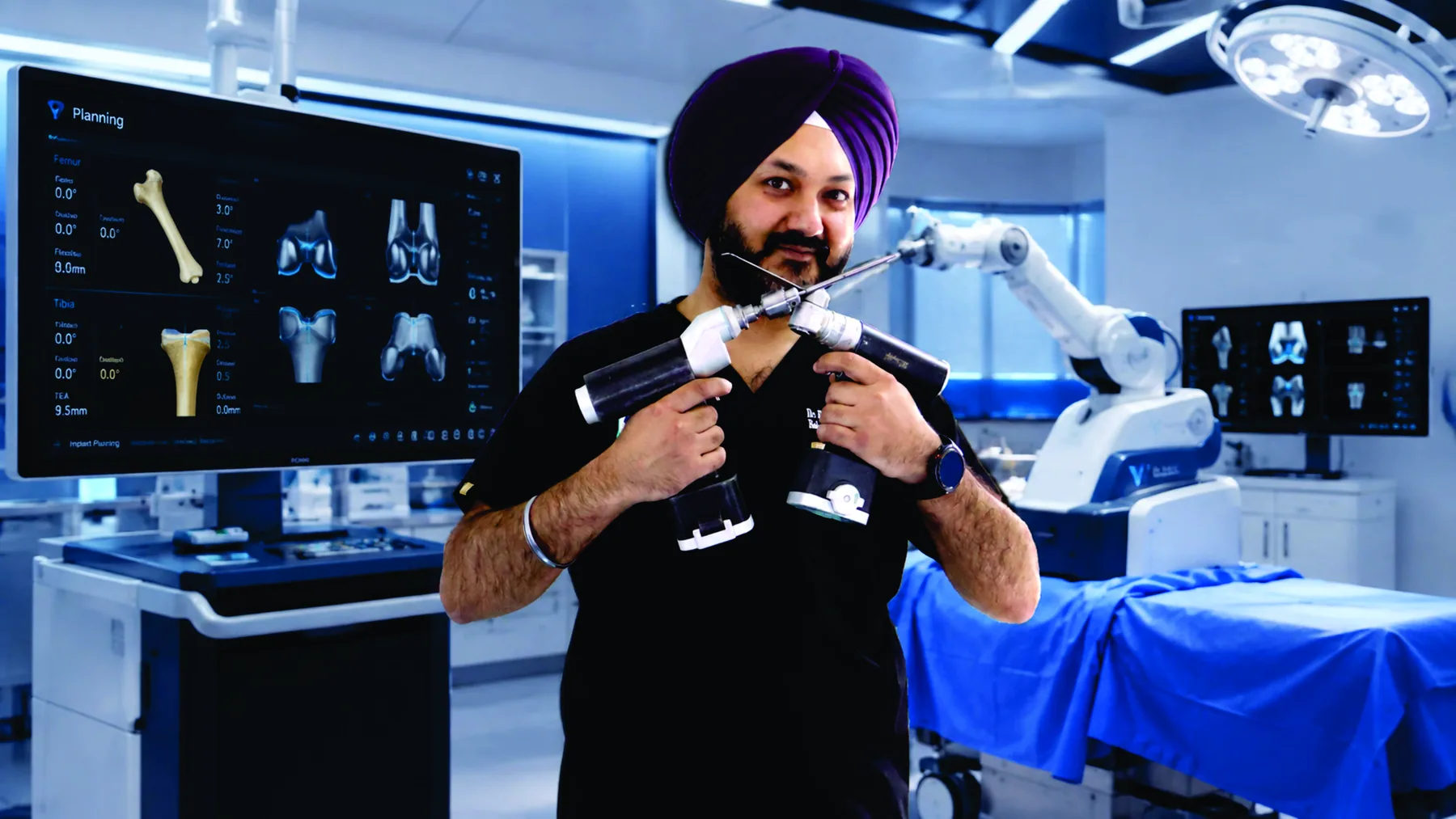
Care begins with a conversation
Joint symptoms can change how someone walks, works, sleeps or spends time with family. A useful consultation makes room for those details alongside the examination and any relevant reports.
Nagpal Joint Clinic lists Dr. Parampreet Singh Nagpal as an orthopaedic surgeon in Bathinda. The aim of a visit is to understand what may be causing a concern, what information supports that view and which next steps may be reasonable. The consultation does not automatically lead to a procedure.
Share when symptoms began, what changes them and which daily activities are affected.
History, examination and relevant imaging help frame the discussion; a scan alone does not decide treatment.
Ask about non-surgical choices, further assessment, a procedure or referral when appropriate.
Areas listed by the clinic
These links offer general background for patients. They do not diagnose a condition or determine which treatment is right for an individual.
Discuss stiffness, swelling, injury, movement and the activities that matter to you.
Read the knee pain guide ↗ 02 / ARTHRITISReview symptoms and goals before discussing non-operative or surgical options.
Explore arthritis care ↗ 03 / KNEE REPLACEMENTUnderstand when surgery may be discussed and what alternatives and risks to ask about.
Read the knee replacement guide ↗ 04 / HIP & JOINTTalk through where discomfort is felt, when it began and how it affects movement.
Explore hip pain guidance ↗A clear, considered process
A clinical decision is individual. These steps describe a conversation, not a promise of a particular diagnosis or treatment.
Explain when the concern began, what has changed and which parts of daily life have become difficult.
Discuss relevant history, movement and tests. Ask what an X-ray or MRI is intended to clarify.
Review reasonable non-operative choices, additional assessment, referral or a procedure discussion.
Ask about risks, alternatives, cost, recovery, follow-up and when to contact the care team.
Technology in context
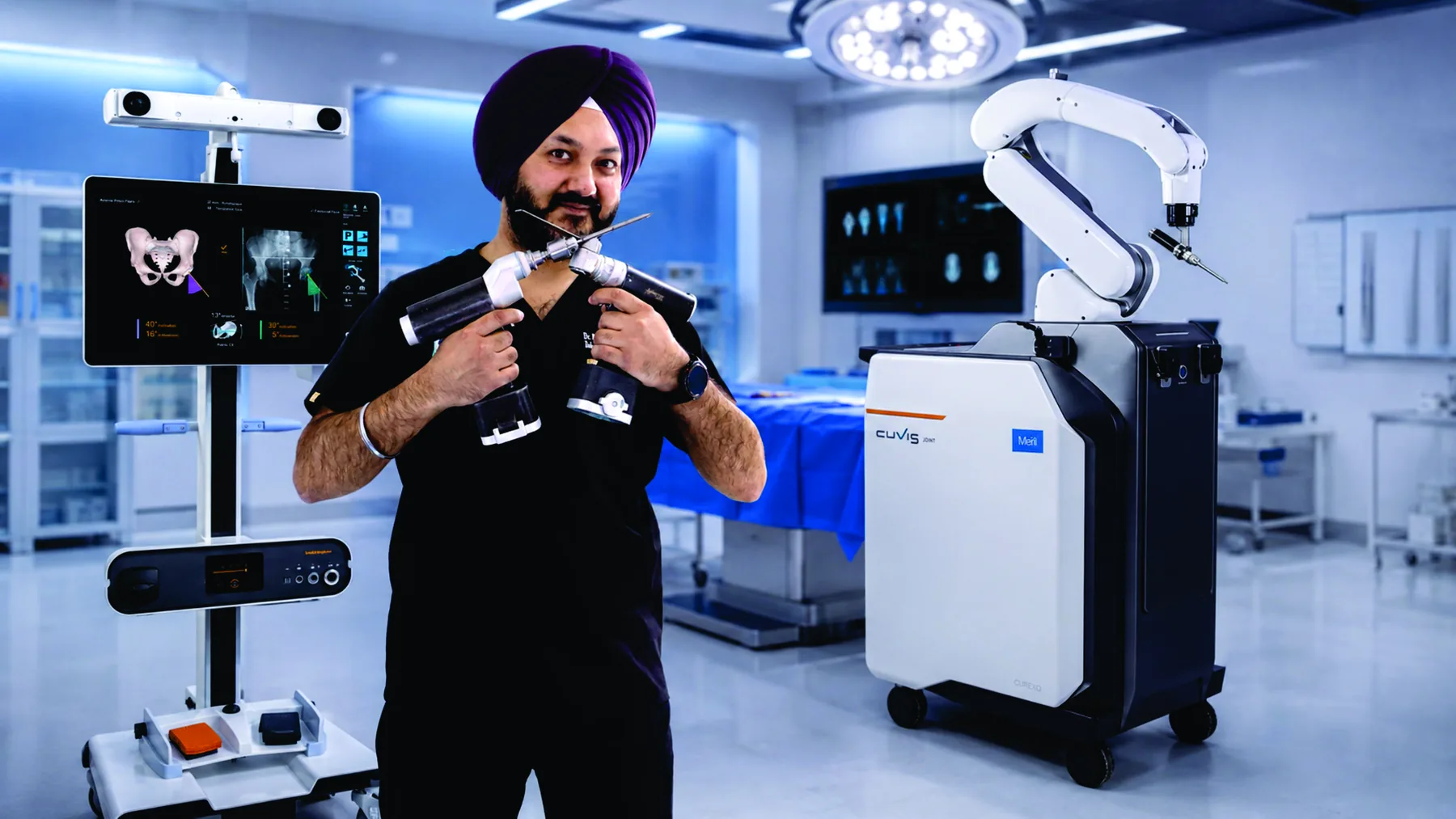
Some procedures may involve specialist equipment. A device does not diagnose a patient, determine that surgery is needed or guarantee an outcome. Ask what tool is proposed, what part of care it supports, what alternatives are available and what limitations apply to your situation.
An orthopaedic consultation is an opportunity to understand a musculoskeletal concern, review the available information and discuss possible next steps. The clinician may ask about pain, movement, injury, previous treatment, work and daily activities. The visit does not automatically lead to a procedure. Some patients may need additional tests, non-operative care or assessment by another clinician. Patients should leave with a clearer understanding of what is suspected, what remains uncertain and how the next step will be decided.
Symptoms affect people differently. One person may want to walk to local shops; another may need to stand for work, care for a family member or return to a sport. Explaining these goals helps the clinician discuss relevant options. It is also useful to mention sleep disruption, fear of falling, limits on travel and any concern about surgery. The patient can ask for plain-language explanations, take notes and involve a family member if desired. A plan should consider the patient’s preferences as well as clinical findings.
The clinician may ask when a problem began, whether it followed an injury, what makes it better or worse, whether swelling or stiffness occurs and which treatments have been tried. A history of prior operations, allergies, infections, falls and other medical conditions may affect assessment. Bring a current list of medicines and reports from previous visits. Do not leave out supplements or medicines obtained without a prescription. Accurate information helps the clinician consider possible causes and whether another specialist should be involved.
An examination may include observing movement, checking joint range, tenderness, strength and stability, and assessing how symptoms affect function. The exact examination depends on the problem and the patient’s comfort. Imaging and other tests are considered when they may answer a clinical question. An X-ray or MRI does not replace a history and examination, and an image alone does not establish the right treatment. Ask what a test is intended to clarify, whether an earlier study can be reviewed and how the result could influence the plan.
Knee pain can have several causes, including arthritis, injury or other conditions. An assessment can help determine whether a non-operative plan, further investigation or surgical discussion is appropriate. Joint replacement is not required for every person with pain or imaging changes. If surgery is considered, the clinician should explain the intended procedure, likely benefits, important risks, alternatives and rehabilitation needs. For general background, the clinic provides pages about knee pain, knee arthritis and total knee replacement.
Pain around the hip may come from the joint, back or nearby tissues. An examination helps the clinician decide what further assessment is useful. A hip fracture is a different and potentially urgent concern: after a serious fall, inability to bear weight or visible deformity, seek hospital emergency care rather than waiting for a routine appointment. General guides about hip pain, hip fracture assessment and joint pain help patients prepare questions but do not diagnose a condition.
Some procedures may involve specialist equipment. A device does not diagnose a patient, determine that surgery is needed or guarantee an outcome. Ask which tool is proposed, what part of a procedure it supports, what alternatives are available and what limitations apply to your situation. For a separate technical description, visit the Nagpal Robotics doctor information page. The clinical decision should still be based on an individual assessment.
A decision about surgery should consider symptoms, examination, imaging, health conditions, previous treatment and the patient’s goals. The discussion should include what may happen without surgery, which alternatives are available and what uncertainties remain. A patient should not be pressured by a slogan, an award, a device name or another person’s experience. It is reasonable to take time, ask for written information and seek a second qualified opinion before deciding on a major procedure.
Every operation has risks, and the relevant ones depend on the procedure and the patient. Ask about infection, blood clots, bleeding, stiffness, anaesthesia, persistent symptoms and other risks the surgeon considers relevant. No operation can guarantee a pain-free result or a fixed recovery timeline. The clinician should explain likely benefits and limitations without promising an outcome. If you do not understand a term or percentage, ask for an explanation that relates to your own health and the evidence available.
Qualifications, registration, specialist training, hospital privileges and awards are separate records issued by different organisations. The clinic lists Dr. Nagpal’s qualifications as M.S. (Ortho), M.Ch (USA) and Punjab Medical Council registration number 36918. Patients may verify registration details with the relevant professional body and can request additional training or procedure-specific information directly from the clinic. A media profile or award is not a substitute for registration.
See the clinic’s recognition contextSome patients need a medical review before a procedure or need another clinician’s input for a health condition. Share information about heart or lung disease, diabetes, kidney problems, allergies, prior blood clots, medicines and recent infections. The treating team may coordinate with the doctor who manages those conditions. Do not stop prescribed medicine or make changes based on general website information. Ask who will be responsible for anaesthesia review, inpatient care, wound checks and communication after discharge.
The clinic address and a surgical facility may be different. If a procedure is proposed, confirm the hospital or operating location, the people responsible for each part of care, admission instructions and whom to contact after discharge. Ask where physiotherapy will occur and how follow-up is arranged. These details should be explained directly and included in written instructions where possible. Do not assume that the arrangements of another patient or a previous year remain current.
Recovery depends on the operation, overall health, mobility before treatment, pain control, wound healing and rehabilitation. The clinical and physiotherapy teams should set an individual plan and explain which activities are safe. Follow-up timing and exercise progression can differ. Contact the treating team if symptoms worsen or an instruction is unclear. Fever with a hot swollen joint, chest pain, sudden breathlessness, a concerning wound change or another severe symptom requires urgent medical attention. Do not rely on a general recovery article to decide whether a symptom is safe.
The clinic is at Nagpal Superspeciality Hospital, Mall Road, Bathinda, Punjab 151001. Confirm current hours, fees, availability and the appointment time before travelling. Bring reports, images, a medicine and allergy list, and a short note about the activities affected by symptoms. A companion can help take notes if the patient wishes. Submitting an online form is a request rather than a confirmed booking. The contact page provides current directions and ways to reach the clinic.
A useful consultation gives the patient space to discuss uncertainty, compare options and decide whether the plan fits their needs. Ask the clinician to summarise the diagnosis, next step, risks and follow-up. If you want more time, say so. You may request copies of relevant reports and seek a second opinion. The website offers general information, but only a qualified clinician who has assessed the patient can make an individual recommendation. For emergencies or rapidly worsening symptoms, seek urgent local care rather than waiting for a routine appointment.
Public conversations
These interviews are public conversations, not patient testimonials or individual medical advice.
Public recognition is separate from professional registration and does not predict an individual treatment result.
Quick answers
General information can help you prepare. A clinician must assess your situation to provide individual advice.
Browse all clinic FAQsNo. Knee pain can have different causes, and a consultation may discuss assessment, non-operative care, further testing, referral or surgery depending on the findings.
Bring relevant reports or images, a current medicine and allergy list, and a short note about when symptoms began and what activities are affected.
No. Equipment may support parts of selected procedures, but it does not diagnose a patient, decide that surgery is needed or guarantee an outcome.
No. The clinic team confirms availability and appointment details. Call before travelling to check current hours, fees and arrangements.
Nagpal Joint Clinic · Bathinda
Request a routine appointment or call the clinic to confirm current availability. For urgent or severe symptoms, seek prompt local medical care.
Send a routine enquiry. The clinic team will contact you to confirm availability; this is not a confirmed booking or emergency service.
For urgent symptoms, use local emergency services or call the clinic directly.
